
- This article is about the human lore. For the playable races, see Human (playable), and Kul Tiran (playable).
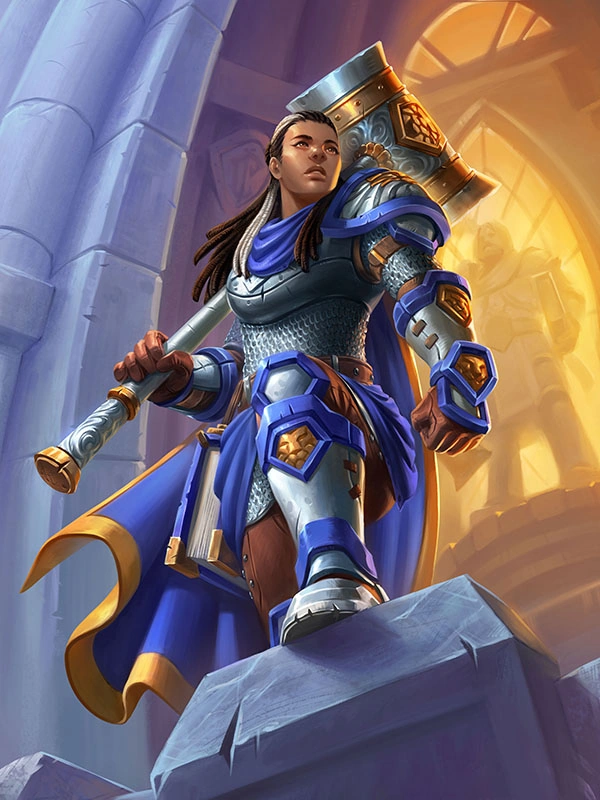


“Once again, we face a new and great threat. Even now, we bear the fresh scars of evil forces bent upon our destruction. But humanity is not so easily cowed! We stand in the breach and we hold the line! We will never be slaves to fear! [...] Let us unite this day. Let us renew our promise to uphold and protect the Light, and together we will face down this dark new storm and stand firm against it—as humanity always has... and humanity always will!”
Humans (collectively referred to as mankind or humanity) are a resilient species native to the world of Azeroth. Recent discoveries have shown that humans are descended from the barbaric half-giant vrykul of Northrend. Born "weak" and "deformed" as a result of the Curse of Flesh, they had to be exterminated to keep the vrykul race pure, but not all vrykul could bear to kill their children, and they took them away to a land far away from Northrend, in the northern Eastern Kingdoms.
Early humans were primarily a scattered and tribal people for several millennia, until the rising strength of the troll empire forced their strategic unification. Thus the nation of Arathor was formed, along with its capital, the city-state of Strom. After several centuries of peace, however, the increasingly prosperous and independent city-states of Arathor split into separate kingdoms: Gilneas to the west, Alterac, Dalaran, and Lordaeron to the northwest, Kul Tiras to the southwest, and Stormwind to the far south. Strom itself was renamed Stromgarde and remained significantly powerful.
But disaster struck when the orcish Horde appeared on Azeroth, reducing Stormwind to ruins during the First War. The city's survivors, including the young prince, Varian Wrynn, fled to Lordaeron, where the leaders of the seven kingdoms resolved to unify once again in the Alliance of Lordaeron. Joined together, they succeeded in defeating the Horde during the Second War. Tensions grew among the kingdoms, however, as the costs for maintaining the Alliance rose much higher than originally anticipated. Unwilling to pay the taxes, the leaders of Gilneas and Stromgarde chose to withdraw their kingdoms following the liberation of the orcs from internment camps.
Further disaster came when the kingdom of Lordaeron was decimated by a mysterious plague that killed thousands of humans and converted them into undead servants of the Lich King. Even Lordaeron's prince, Arthas Menethil, was manipulated by the Lich King, leading Arthas to kill his own father and journey to Northrend, where he merged with his master. For the next five years, the Lich King remained in Northrend, plotting and building up his armies. But unleashing the plague of undeath was merely preparation for an invasion by the demonic Burning Legion, which had long sought to destroy all life on Azeroth. When the Legion struck, humans banded together with other races and secured a costly victory during the Third War.
Since the fall of Lordaeron, the kingdom of Stormwind has become the strongest bastion of humanity and the most powerful force in the now multiracial Alliance. Led by King Anduin Wrynn, who succeeded his father Varian Wrynn at the head of the Alliance, the people of Stormwind hold fast to the principles of honor and justice as they defend their settlements and their families.
Though humans are among the younger races on Azeroth, they have faced many challenges with fortitude and resilience. Their continued ability to adapt and rebuild has made them a vital force in an ever-changing world.[2]
History[]
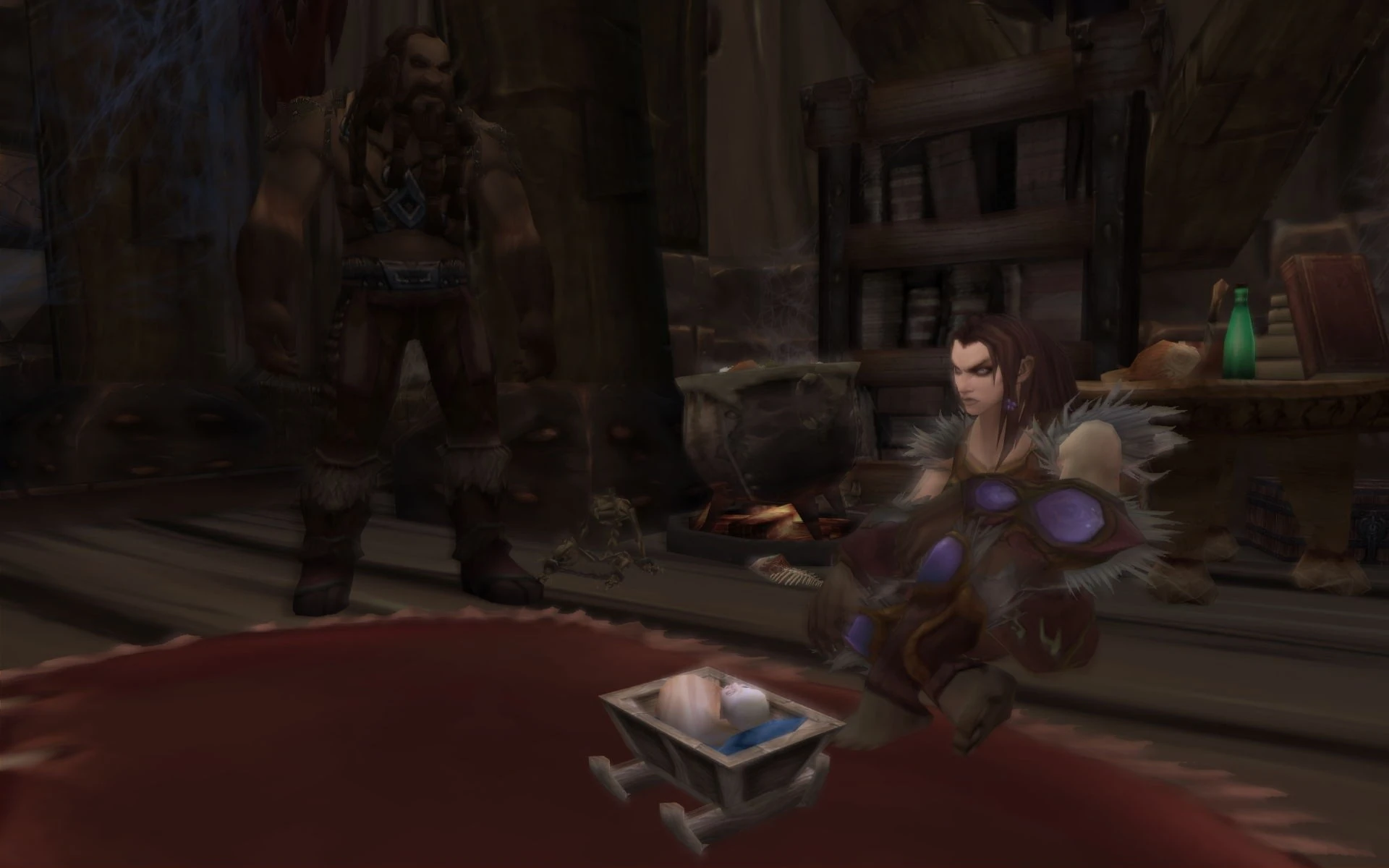
The vrykul, ancestors of mankind.
At the dawn[]
The humans are descendants of the vrykul,[3] a seed race who worshiped their creators, the Titans, as gods. Around 15,000 years ago, the vrykul of the Dragonflayer clan believed that their gods had "abandoned" them, and a certain time after that, some of their children were born "weak and ugly."[4] King Ymiron ordered all such children to be killed: the punishment for not doing so was that the child's parents would be executed alongside them. Skadi the Ruthless, in a true act of depravity, earned his title by relentlessly hunting down such families.[5] Despite the risks however, not all parents obeyed this order and instead hid their children to grow up far away from Northrend.[6] Legends say it was Tyr, one of the Keepers, who brought the humans to their new home,[7] though the vrykul actually sent their offspring there because it was the location of Tyr's tomb.[8] Regardless, his legend and symbol would haunt and inspire the humans forever after.
The young race of humans struggled to survive using the limited supplies provided to them by their vrykul parents, who had abandoned them. They occasionally took to gathering around a fire whilst trying to read from scrolls telling of ancient heroes and leaders – tales from the civilization that had cast these creatures out. One of these scrolls spoke of a great leader, a paragon of order and justice, who sacrificed his right hand in a fight against an unfathomable evil. Although it was within this hero's power to fix his hand after the fighting had ended, the hero instead chose to replace it with a closed fist made of the purest silver. In this way, the hero impressed upon those who followed him that true order and justice can only be accomplished through personal sacrifice. This hero, who slipped into memory long ago, went by the name of Tyr.[9]
The elves of the Kaldorei Empire sometimes captured these nascent humans and used them as slave labor.[10]
Taran Zhu theorized that humans and possibly even some Zandalari may have sided with the pandaren in the pandaren rebellion 12,000 years ago.[11]
Early societies[]
Eventually, humans started gathering and forming tribes, occupying the lands that would later be known as Lordaeron, the northern Eastern Kingdoms. Among the known tribes were the Arathi, the Alteraci, and the followers of Lordain, each with their own culture. Not yet accustomed to the divine Light or the potency of the arcane, they had primitive belief systems that incorporated simple nature magic, practicing crude forms of druidism and shamanism.[12]
As the last vrykul of the Tyr's Guard died of old age, they started adding humans to their ranks.
The rise and fall of the Arathor Empire[]
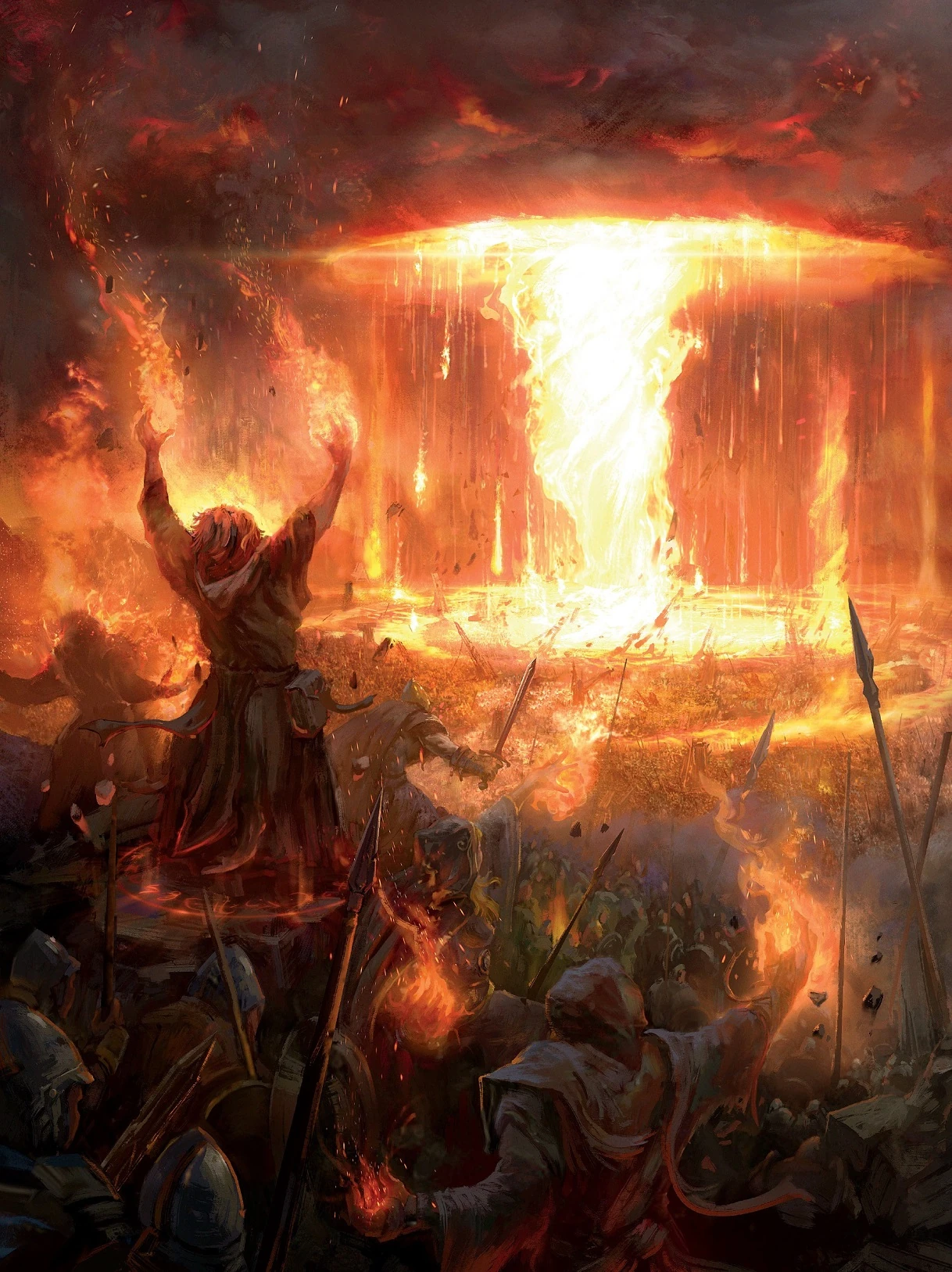
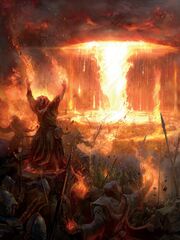
The magi of the One Hundred unleash their powers upon the trolls.
Humans joined the forefront of Azerothian history during the Troll Wars 2,800 years ago. Concerned that the forest trolls were becoming too great a threat, the Arathi tribe of humans embarked on a campaign to conquer its rivals through combat and politics. By offering equality and peace to the people they conquered, the Arathi were able to form a powerful nation, Arathor. The capital of Strom was built, and the humans in the area that would later become Lordaeron, traveled to its protection.
The high elves of Quel'Thalas, meanwhile, were in open war with the trolls. On the verge of defeat, they sent ambassadors to Strom to plead for assistance from the human king, Thoradin. In exchange for support, the elves agreed to instruct One Hundred humans in the use of magic. With the help of the high elves, humans learned magic and waged a bitter war against the trolls that once spanned the entire length of the Eastern Kingdoms. Eventually, humanity won against the trolls and they lived in peace for several centuries.[13] However, the increasingly prosperous and independent city-states of Arathor later declared their independence; splitting into separate kingdoms: Gilneas to the west, Alterac, Dalaran, and Lordaeron to the northwest, Kul Tiras to the southwest, and Stormwind to the far south. Strom itself was renamed Stromgarde and remained a significantly powerful kingdom.[14]
In time, the kingdoms gradually developed rivalries, as before the coming of the orcs, the human kingdoms of Lordaeron faced challenges and obstacles from each other as the games of politics played out.[15] Decades before the First War, while Azeroth enjoyed a time of relative peace, villages squabbled with villages, and kingdoms spied on kingdoms. In the Eastern Kingdoms, humans engaged in rigorous trade with dwarves, gnomes, and high elves. Some nations, like Lordaeron, acted as regional leaders and trendsetters, mediating disagreements between smaller kingdoms and used their strong militaries to impose order over the land. Still, others focused their resources on defending themselves from old rivals.[16]
Among the history books in Medivh's library, some mentioned references of genocides, assassinations, and massacres between humans of the seven kingdoms, using claims of nobility, heritage, and honor to justify their conflicts.[17] Among these battles, there were military conflicts between the nations of Alterac and Stromgarde, as the proximity of the two and the apparent ambiguity of their mountain borders had led to several wars and skirmishes. On more than one occasion, King Thoras Trollbane led the armies of Stromgarde into battle against the honorable General Hath of Alterac.[18]
The Alliance of Lordaeron[]
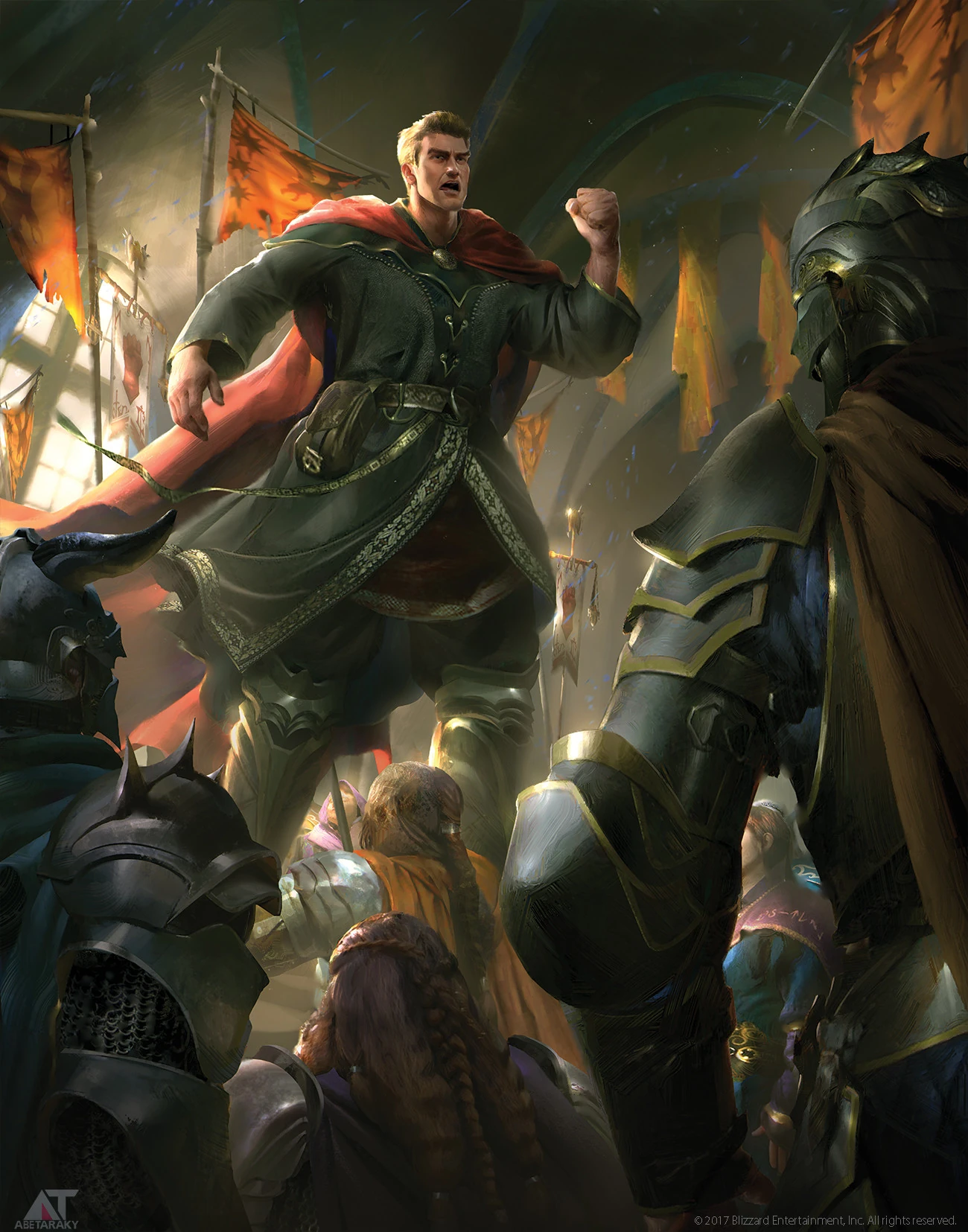

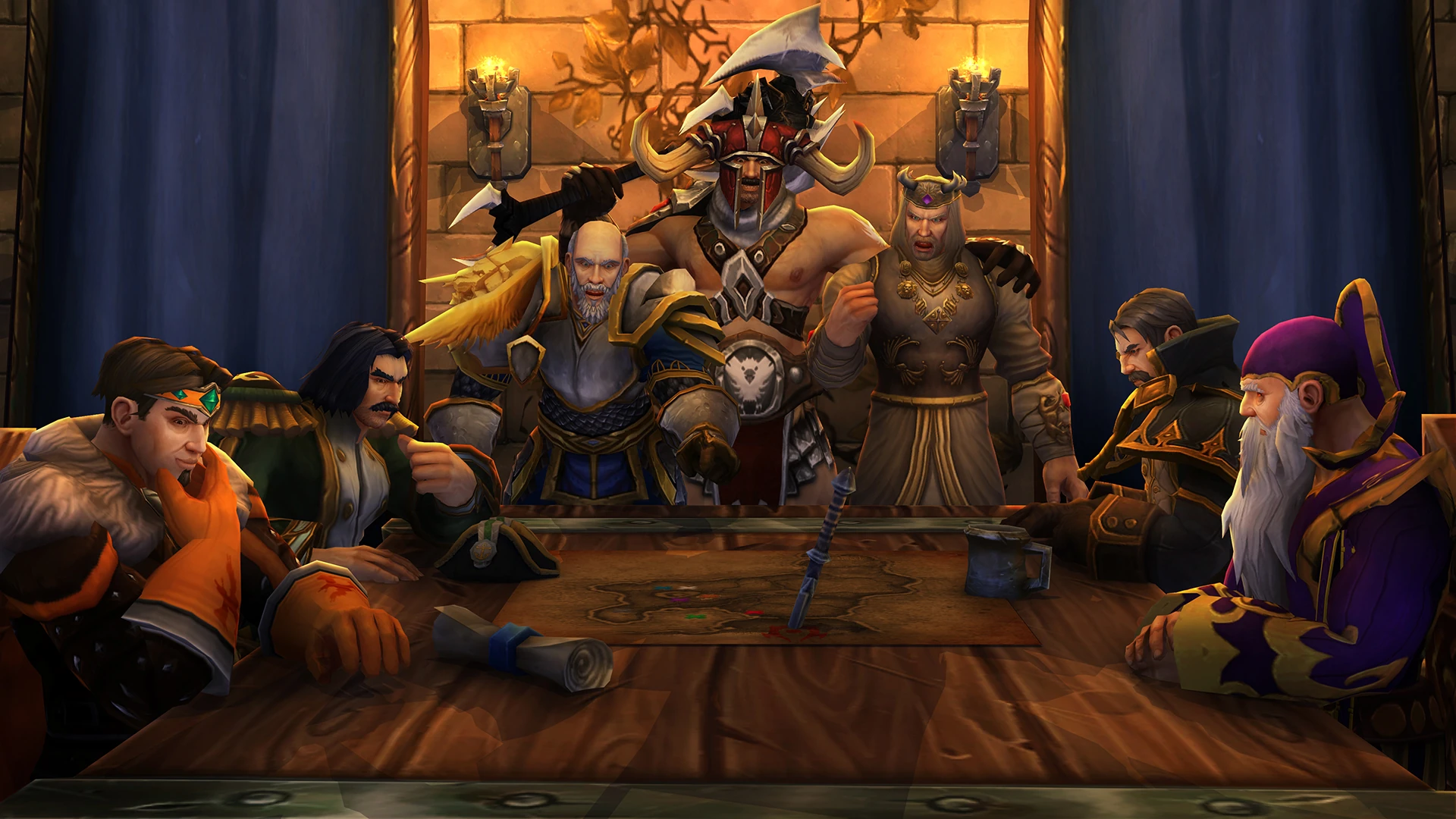
Turalyon rallies the Council of Seven Nations to form the Alliance of Lordaeron.
Millennia later, disaster struck when the orcish Horde appeared on Azeroth, reducing Stormwind to ruins during the First War between orcs and humans.[19] The city's survivors, including the young prince, Varian Wrynn, fled to Lordaeron, where the leaders of the seven kingdoms resolved to unify once again in the Alliance of Lordaeron. Joined together, they succeeded in defeating the Horde during the Second War.[20]
Tensions grew among the kingdoms, however, as the costs for maintaining the Alliance rose much higher than originally anticipated. Unwilling to pay the taxes, the leaders of Gilneas and Stromgarde chose to withdraw their kingdoms following the Alliance splintering in consequence of the liberation of the orcs from internment camps.[21] At the time of the Third War, most contemporary human and high elven mages bowed to the sovereignty of Dalaran and the Kirin Tor.[22] Further disaster came when the kingdom of Lordaeron was decimated by a mysterious plague that killed thousands of humans and converted them into undead servants of the Lich King. Even Lordaeron's prince, Arthas Menethil, was manipulated by the Lich King, leading Arthas to kill his own father and direct the Scourge to eradicate humanity in his kingdom.[23][24] Eventually, Arthas journeyed to Northrend, where he merged with his master. For the next five years, the Lich King remained in Northrend, plotting and building up his armies.[25]
The remnants of the Alliance in Lordaeron banded together to form the Alliance resistance in order to retake their lost lands from the undead. Under the command of Grand Marshal Garithos, the Alliance resistance managed to retake Dalaran.[26] However, Garithos' harsh bigoted leadership forced the blood elves to desert his army[27][28][29] and sometime later, the Alliance resistance was mind controlled by the Dreadlord Insurgents. The Alliance resistance was freed from the dreadlords' influence by Sylvanas Windrunner's forces (later known as the Forsaken)[30] and together, they worked to take down the last dreadlord warlord, Balnazzar, and retake the Ruins of Lordaeron. Instead of leaving Lordaeron as Sylvanas promised however, Sylvanas betrayed Garithos and had him and his men killed; thereby taking the Ruins of Lordaeron for herself.[31]
Post Third War[]
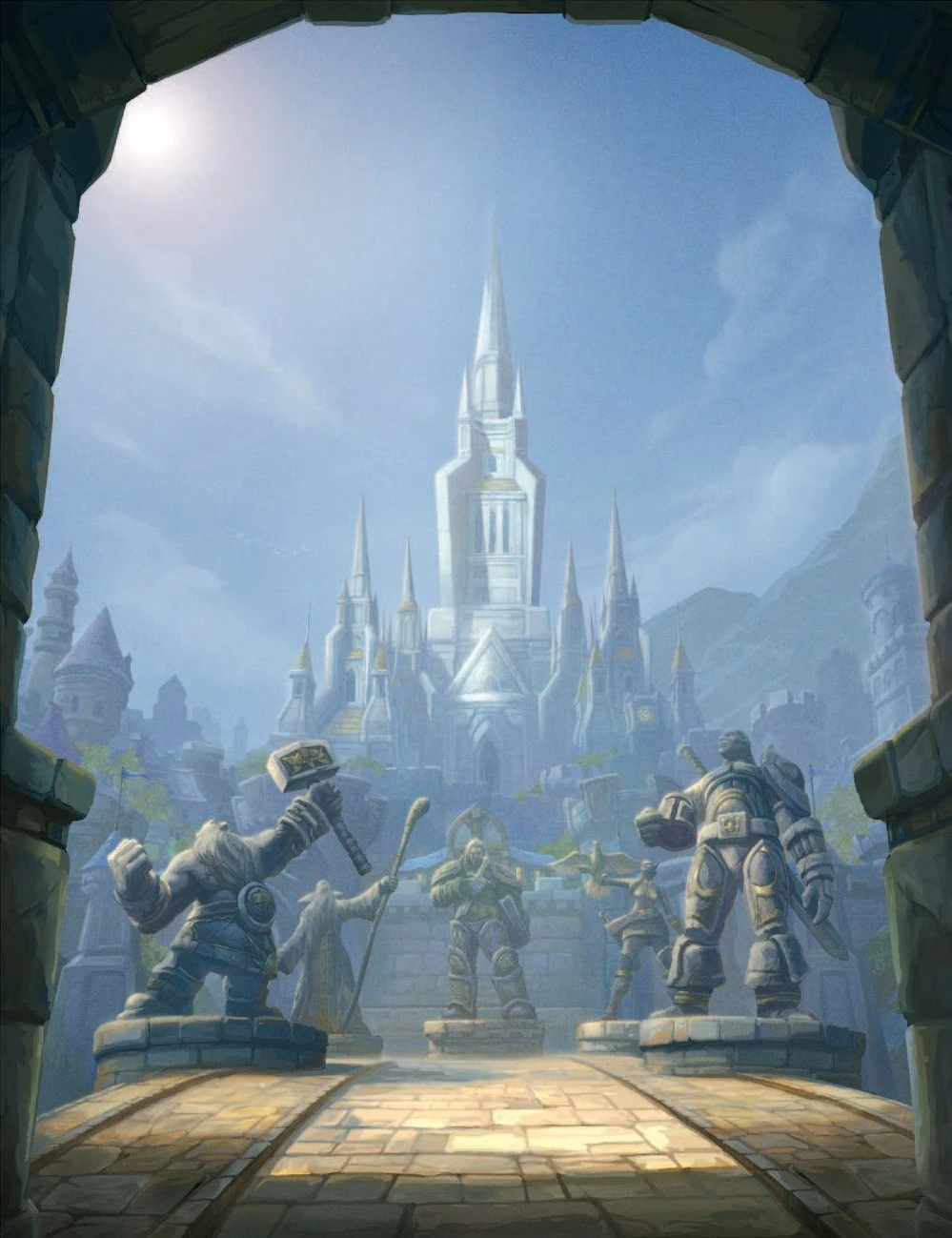

Stormwind City rebuilt, became one of the last bastions of human civilization.
With the recent invasion of the Burning Legion, which left the northern Kingdom of Lordaeron in ruins, Stormwind now stands as the strongest bastion of human civilization. The Alliance since then has been reorganized and gained new allies in the following years, with the humans of Stormwind standing resolute in their charge to maintain the honor and might of humanity.[2] Following the heroic examples of the legendary Sir Lothar and King Llane, the knights and warriors of Stormwind are considered to be among the fiercest and most courageous warriors in the land.
Despite the devastating losses of the Third War, humanity still prospered in most of the remaining human kingdoms. Even in Lordaeron, which took the brunt of the devastation, still had pockets of humanity fighting to reclaim their lost lands back. However, some of these humans entered into a conflict with the Forsaken, who humanity found abominable and unsavory. Many humans see undead as offensive to their way of life, while others still suspected them of being agents of the Scourge.[32] It did not help matters that the Forsaken joined forces with the Horde, a long time enemy of the Alliance, and that human zealots in Lordaeron such as the Scarlet Crusade became obsessed with eradicating the undead and retaking their once-beautiful homeland.
The humans' primary threat now other than the Scourge is the Forsaken, who are continuing their attempts to expand south from Tirisfal Glades into Arathi. However, the human presence in the region remained strong with the remnants of Lordaeron and Stromgarde, causing the Hillsbrad area to be one of Azeroth's major battlefields. Despite all of this, humans continue to be vigilant, and have banded closer together and with the Alliance as a whole.
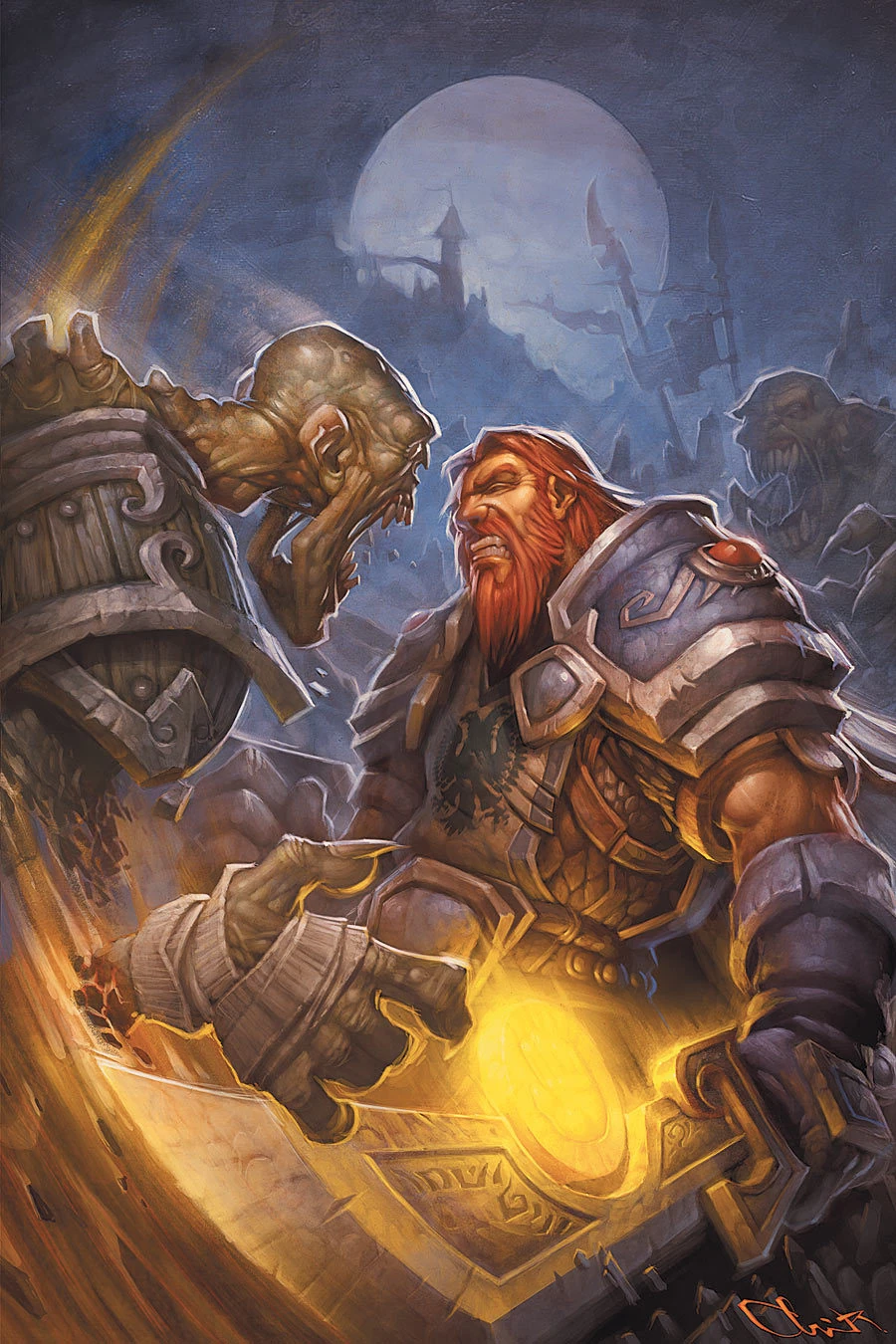
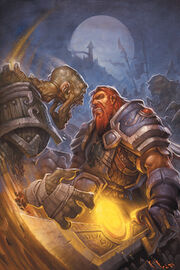
Alexandros Mograine fighting the Scourge.
The Knights of the Silver Hand in Lordaeron, under the command of Lord Commander Saidan Dathrohan and Highlord Alexandros Mograine, who wielded the Ashbringer, attempted to retake the Plaguelands from the undead. Though they found some success,[33] after Highlord Mograine fell to the Scourge, the holy order began to change. They rebranded themselves the Scarlet Crusade and became more fanatical in their methods of destroying all undead, as well as despising all non-human races. Other paladins, disgusted with the Scarlet Crusaders' zealotry, formed the Argent Dawn, which took a less extreme approach and accepted members from all of Azeroth's races into their ranks.[34]
One day, King Varian Wrynn went missing while on route to a secret diplomatic meeting. During the absence of King Varian Wrynn, Anduin Wrynn was crowned king, though the actual power remained in Regent Lord Bolvar Fordragon's hands until either Varian was returned or Anduin reached the age of ascension. The Kingdom of Stormwind was kept in a state of chaos and political unrest due to corruption created by Lady Katrana Prestor and the House of Nobles. The towns of Darkshire, Lakeshire, Goldshire, Southshore, and (to a lesser extent) Menethil Harbor- who all fall under the protection and leadership of Stormwind- had to rely more heavily on their own local militia to fend off local threats while Stormwind's leadership was in disarray.
Under the watchful leadership of the young mage Jaina Proudmoore, formerly of Kul Tiras, the Human Expedition that fled the destruction of Lordaeron joined forces with the night elves and the Horde in order to defeat the demon Archimonde and banish the Burning Legion during the Third War. Afterwards, the expedition established a new home in Kalimdor called Theramore Isle, which became a prominent member of the Alliance and kept close ties with Stormwind. Lady Jaina Proudmoore hopes to lead Theramore to a prosperous future and aid in reuniting the distant human kingdoms once more.[35] The merchant nation of Kul Tiras left the Alliance after their demands to avenge Lord Admiral Daelin Proudmoore's death were going unheeded. The people of Kul Tiras furiously isolated themselves from the rest of the Alliance, but were not angry with all of the Alliance leaders. They instead nursed a bitter hatred only towards Jaina Proudmoore for betraying her family and allowing the Horde to cut down her father.[36][37] The city-state of Dalaran, with its powerful mages, retained some control over Hillsbrad and Silverpine Forest but mostly isolated themselves behind a vast, magical dome around the heart of their city.[38] In addition, there is the human enclave in the Arathi Highlands, the remnants of the Kingdom of Stromgarde. After the assassination of Thoras Trollbane, Stromgarde was invaded by the Syndicate, forest trolls, and ogres. The Horde has also established themselves in the contested land and are fighting for the resources of Arathi Basin. The remnants of Stromgarde rejoined the Alliance in order to rid its kingdom of interlopers and restore the kingdom to its former glory. It was rumored the once-allied kingdom of Gilneas was still flourishing and populated with humans, but no word has been heard of them for years. They too have isolated themselves from the world after they barricaded themselves with the Greymane Wall.
The Burning Crusade[]

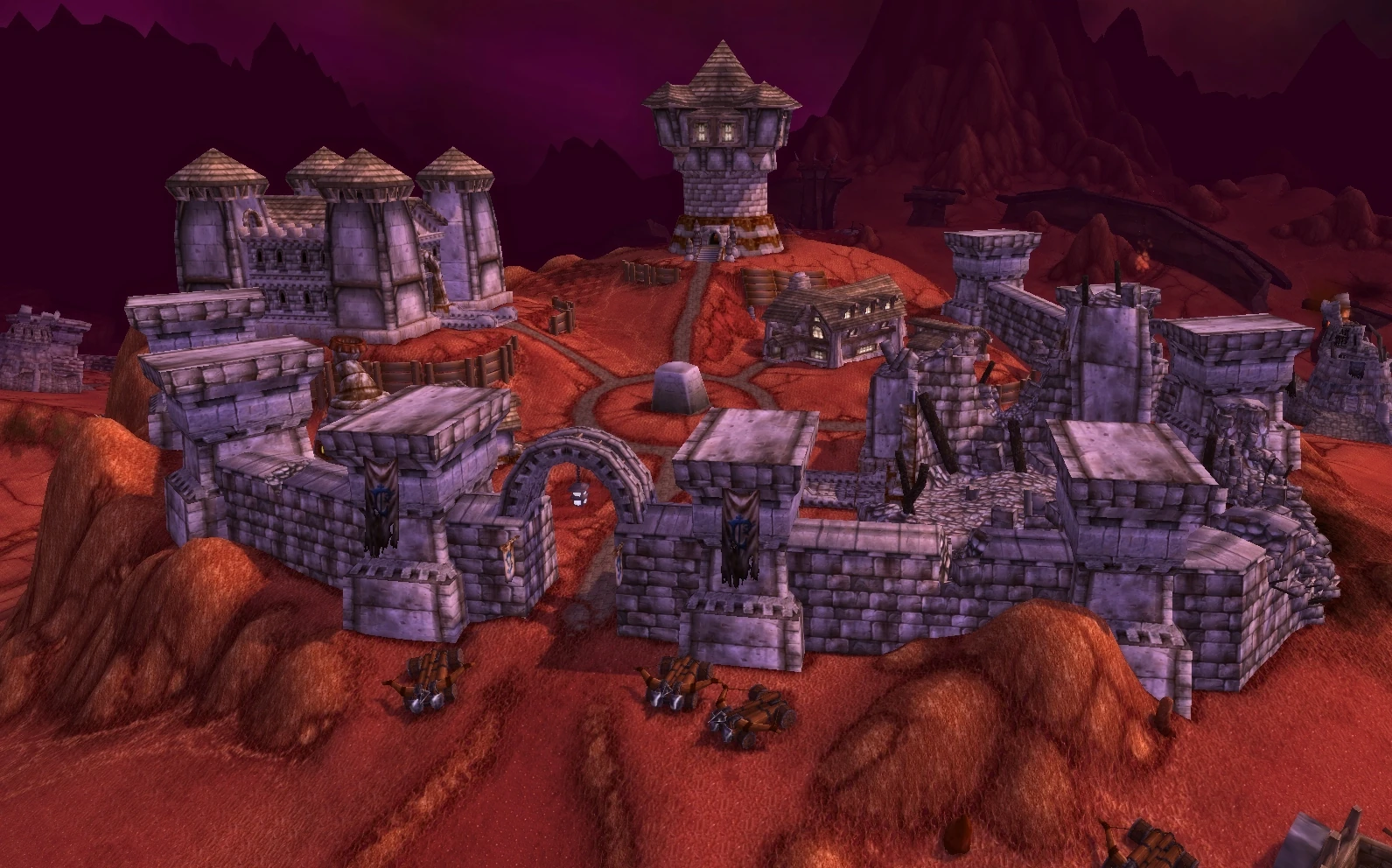
Honor Hold, the base of operations for the Sons of Lothar.
Human forces from Stormwind and the rest of the Alliance worked to repel a surprise invasion from the recently re-opened Dark Portal alongside the forces of the Horde and the Argent Dawn. After the combined forces of Azeroth pressed on through the Dark Portal and into the shattered world of Outland, Alliance forces were surprised to find the tattered remnants of the Alliance Expedition, still standing vigil years after the portal closed and their presumed deaths. Based in their decades-old fortress of Honor Hold, and calling themselves the Sons of Lothar, these survivors were joined by the armies of Stormwind and Ironforge. Among these remnants was the heroic human, Danath Trollbane, who grieved heavily when he heard of the fate of Lordaeron, and swore to someday return to restore his native Stromgarde to its former glory.
Wrath of the Lich King[]

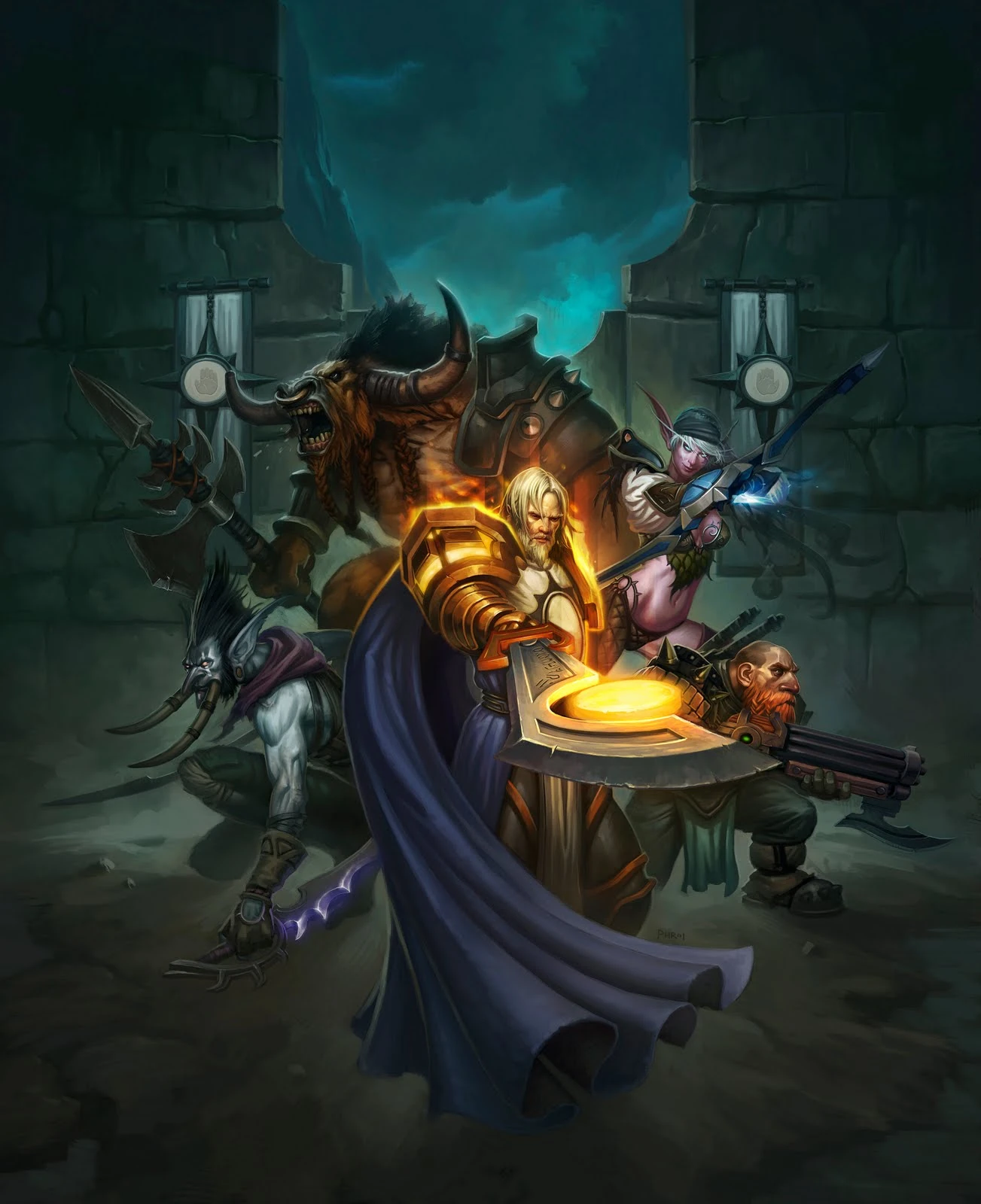

The Call of the Argent Crusade.
With the freeing of the Kingdom of Stormwind from the grasp of Onyxia by the heroic efforts of many Alliance heroes, King Varian Wrynn was returned to his rightful throne and restored order to his lands. Today, King Wrynn oversees Stormwind with support from the House of Nobles. The newly found peace humanity had found would not last long. Shortly after the demonic Burning Crusade was halted at the Sunwell, an old and familiar human threat emerged. Spreading its horrific plague once again through contaminated grain, the undead Scourge, led by the tyrant Lich King, returned its sights to humanity, planting infected crates in Booty Bay and letting it be shipped throughout Azeroth. This renewed invasion culminated in attacks on the human villages of Southshore and Goldshire, and eventually, in a daring attack on Stormwind itself. The time to avenge the fallen human kingdom of Lordaeron had arrived.
Knowing that the threat of the Scourge was as real as it was in the Third War, the human leaders Varian Wrynn, Jaina Proudmoore, Tirion Fordring, and Rhonin led an assault against the frozen homeland of the Scourge. Alliance forces attacked the forces of the Lich King from Borean Tundra and Howling Fjord, eventually carving a path to Angrathar the Wrath Gate and crippling the Scourge necropolis of Naxxramas. Tragedy struck in the Battle of Angrathar the Wrathgate however. As the Alliance commander, Bolvar Fordragon, taunted the traitor Arthas Menethil, a group of militant Forsaken appeared overhead, led by Grand Apothecary Putress, and launched barrels of Forsaken blight on the assembled Alliance and Horde armies, resulting in the apparent death of Bolvar Fordragon and the painful deaths of hundreds of humans.
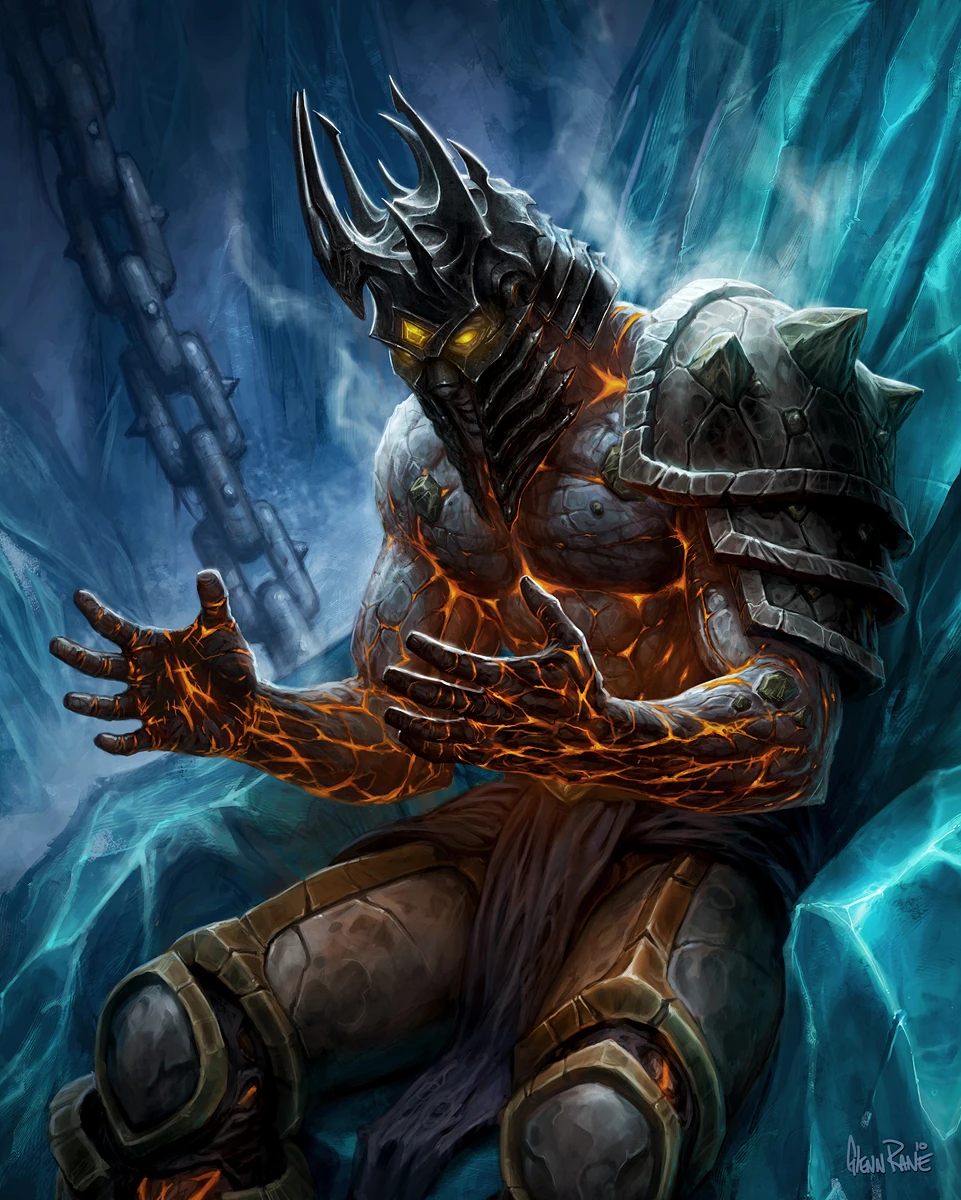

Bolvar Fordragon, the new Lich King.
Enraged over this apparent betrayal, Varian Wrynn sent Jaina Proudmoore to elicit an explanation from the Horde. In a meeting in Orgrimmar, Jaina learned of an uprising in the Undercity, in which the Horde presence had been expelled by a group of rogue Forsaken led by the dreadlord Varimathras and the rogue Grand Apothecary Putress. Seeing an opportunity to reclaim Capital City for the Alliance and to bring Putress to justice, Varian Wrynn launched a full assault on the Undercity. Alliance forces battled to the Apothecarium and beheaded Putress. However, at the same time, Varian Wrynn, in grief over the loss of Bolvar Fordragon, enraged by proof of the Forsaken's sinister schemes, and the status of the once glorious capital of Lordaeron, lashed out at Thrall and exchanged blows with him before being teleported back to Stormwind by Jaina Proudmoore.
Meanwhile, Tirion Fordring and Rhonin established their own presences in Northrend, with the newly formed Argent Crusade fighting the Scourge in Icecrown and Zul'Drak. Rhonin and the Kirin Tor established a presence in Crystalsong Forest, levitating the entire city of Dalaran to fight in the Nexus War. Jaina Proudmoore, seeking to confront her former lover Arthas, led her own assault on Icecrown Citadel through the Frozen Halls.
Eventually, the Argent Crusade breached Icecrown Citadel and, along with its champions, took the fight to the Lich King at the Frozen Throne itself, and after a long battle, managed to shatter Frostmourne and kill Arthas. Humans, after losing so much to the Scourge, stood triumphant against the Lich King.
However, as Arthas died, the ghost of Terenas Menethil appeared and warned Tirion that although Arthas is dead, someone must take on the role of Lich King, to keep the undead throngs left behind in check. As Tirion contemplated taking the role on himself, he was interrupted by the heavily deformed and thought dead Bolvar Fordragon, who had in fact been taken prisoner by the Lich King after the Battle of Angrathar. At Bolvar's insistence, Tirion Fordring crowned Bolvar Fordragon the new Lich King. As Bolvar's voice changed into that of the Lich King, he warned Tirion and his allies to leave, and to never return.
Cataclysm[]

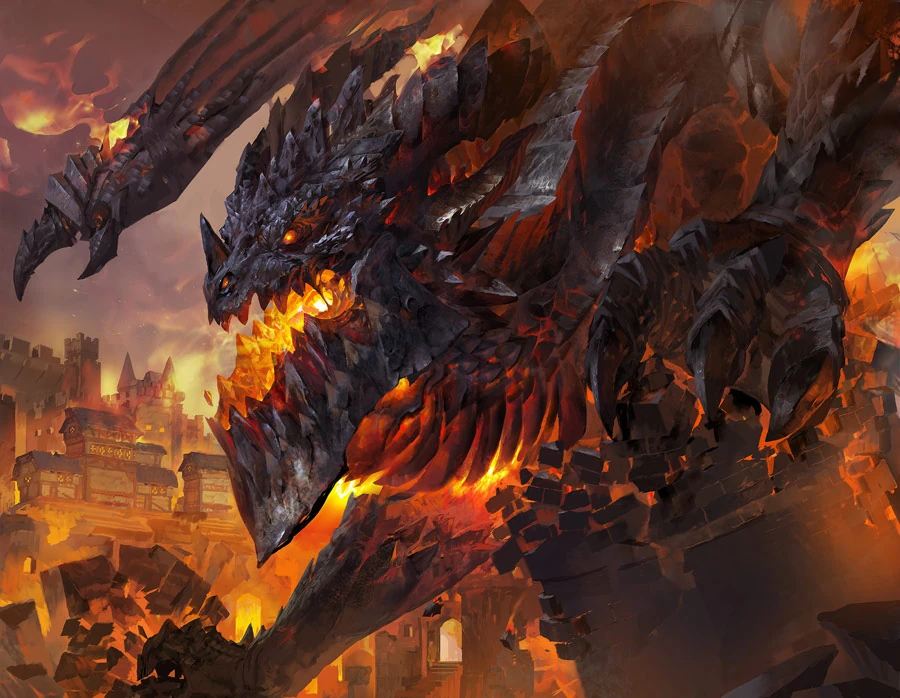
Deathwing terrorizing Stormwind City.
Although the proud humans of Stormwind led the Alliance to victory over the dreaded Lich King, the immense cost of the Northrend campaign proved to be unexpected. Some humans in Stormwind have been taxed to the point of bankruptcy. Many found themselves out of work and without homes, particularly after the bold attack on Stormwind City by the corrupted Dragon Aspect, Deathwing. These throngs of homeless congregated to Westfall, where they would contribute to the resurgence of a new Defias Brotherhood.
Meanwhile, the human kingdom of Gilneas, isolated since the Third War by the Greymane Wall, was suddenly thrust into the wider world of Azeroth when the terrible cataclysm that sundered the world shattered their thought to be impenetrable wall. To add to this grief, the kingdom suffered from a mysterious curse shortly after sealing themselves off, that turned normal humans into ferocious and feral Worgen. This, combined with an unexpected invasion by the Forsaken, forced the humans of Gilneas back into the Alliance.
The Argent Crusade has resumed its work in eradicating the now weakened Scourge presence in Lordaeron, taking control of most of the Plaguelands and working alongside their Cenarion Circle allies to retake the land from the undead. The humans of the Alliance, thanks to manipulations from the Twilight's Hammer and the ambitions of the new Horde warchief, Garrosh Hellscream, are now involved in a renewed conflict with their perennial enemy, the Horde. Humans are currently stationed most prominently in the Southern Barrens, striking at the heartland of the Horde, and in Gilneas, where the 7th Legion fights to retake Lordaeron from the Forsaken.
Mists of Pandaria[]

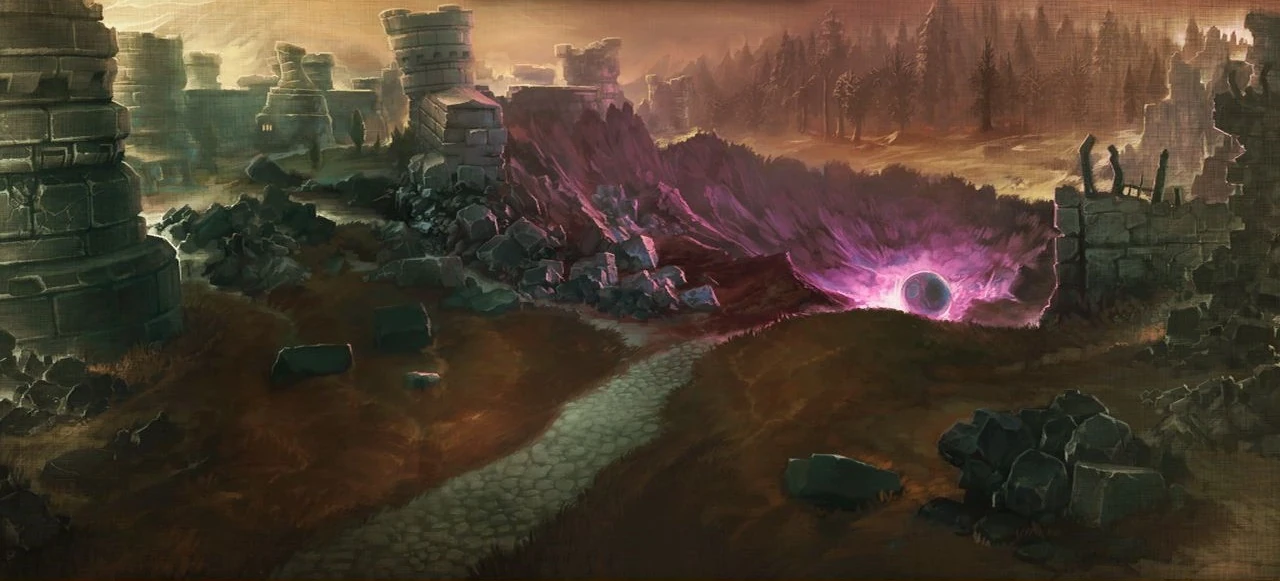

In the Theramore's Fall scenario, which leads the game into Mists of Pandaria, Theramore Isle is destroyed by the Horde, and the leaders of the Alliance, outraged at this matter, completely devote themselves into the war. During the conflict, the ancient continent of Pandaria was discovered. As Alliance and Horde raced to claim the riches of the new land for themselves, their presence awakened ancient evils — the sha.
Over the course of the war, it was discovered that Warchief Hellscream had dabbled in harnessing the sha to fuel his war machine. The discovery of the complicity of some members of the Sunreavers led to the Purge of Dalaran, in which the magocracy realigned itself with the Alliance. Through the Trials of the High King, Varian Wrynn cemented the hold of humanity over the Alliance, strengthening the ties between its races while the Horde under Garrosh Hellscream splintered in rebellion and dissent. When Hellscream in his reckless drive unearthed the Heart of Y'Shaarj and befouled the sacred Vale of Eternal Blossoms, the Alliance led an attack together with the Horde rebels to bring the Warchief to justice. Recognizing that some members of the Horde had preserved their honor, Varian spared the Horde from dismantling.
Warlords of Draenor[]

When Garrosh Hellscream escaped his sentence with the aid of the renegade bronze dragon Kairozdormu, he fled into an alternate timeline on Draenor. Bringing the orcs new technologies, he was instrumental in the creation of the Iron Horde, which soon spilled through the Dark Portal and laid waste to Nethergarde Keep.
The wizard Khadgar would return to lead the operations of both Alliance and Horde against the Iron Horde. Stormwind would send their own heroes through the Dark Portal to keep Azeroth safe from another orcish invasion, after Maraad had convinced Varian of the necessity by detailing the strengths of the warlords leading the Iron Horde. Admiral Taylor established a garrison at the Spires of Arak, but was backstabbed by his subordinate Ephial. Another base was constructed at Ashran, from which conflict against the Horde over the possession of artifacts was waged.
Humans, along with the rest of the Alliance, aided the free people of Draenor in resisting the Iron Horde and managed to defeat Gul'dan and his demonic masters before they could corrupt this Draenor as they had the one in the prime timeline. However, the danger for Azeroth was not averted.
Legion[]

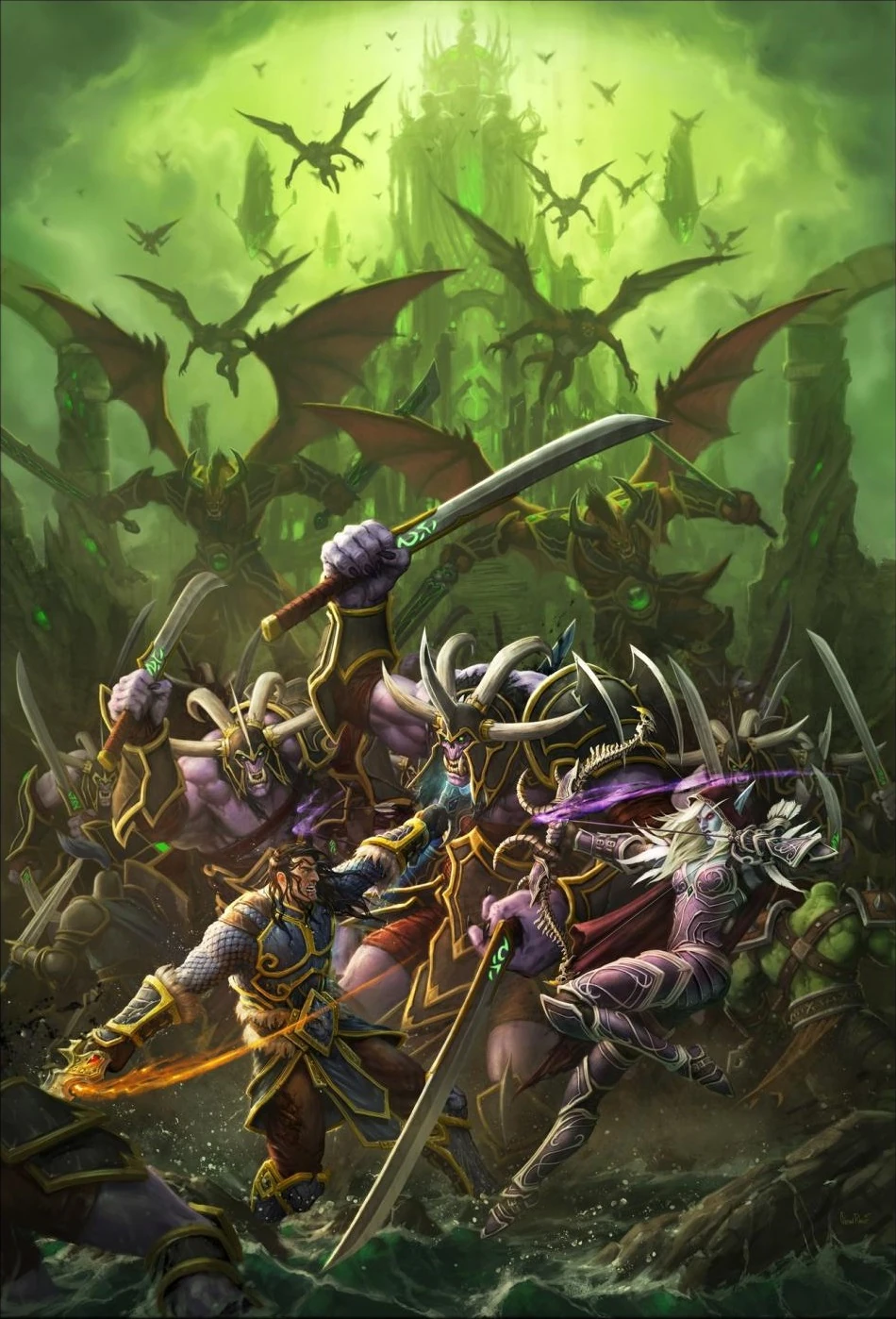
Varian Wrynn fighting in the Battle for Broken Shore.
After his failure on Draenor, Gul'dan was brought into present-day Azeroth and continued his plan to unleash the Burning Legion again. Hunted by Khadgar, he reached the Broken Isles and the Tomb of Sargeras, where he unleashed the Felstorm and created a large portal that allowed the Legion to launch its largest invasion of Azeroth since the War of the Ancients. Khadgar flew to Stormwind to deliver warnings and mobilize Azeroth's defenders again.
On the Battle for Broken Shore, humanity would lose two of its greatest heroes: Highlord Tirion Fordring was taken captive and eventually perished, and Varian Wrynn was executed by Gul'dan while defending the retreat of his forces after the Horde had pulled back their forces after many losses. Anduin Wrynn was crowned as the new High King and forced to lead the Alliance into war. Meanwhile, Dalaran again assumed neutrality due to Khadgar's urgings, causing Jaina to leave the Council of Six in disgust. Anduin would eventually travel to Wrynnfall to reflect upon his new role, where he took up his father's blade.
The Legion's forces were not confined to the battlefield. A demonic infiltrator, the Dreadlord Detheroc, had impersonated Master Mathias Shaw and taken control of the SI:7 and used it to incite Anduin against the Horde. Cultists from Duskwood known as the Veiled Hand attempted to strike against Stormwind's authority. Against these threats rose different class orders that kept these threats contained. The combined efforts of these groups lead to the final defeat of the Legion and the imprisonment of the Dark Titan.
In a final act of spite, Sargeras had plunged his sword into Silithus. As Anduin Wrynn held a memorial speech at Lion's Rest, the SI:7 informed him of Horde activity near the wound and of a strange metal that had emerged from the ground.
Battle for Azeroth[]

 Please add any available information to this section.
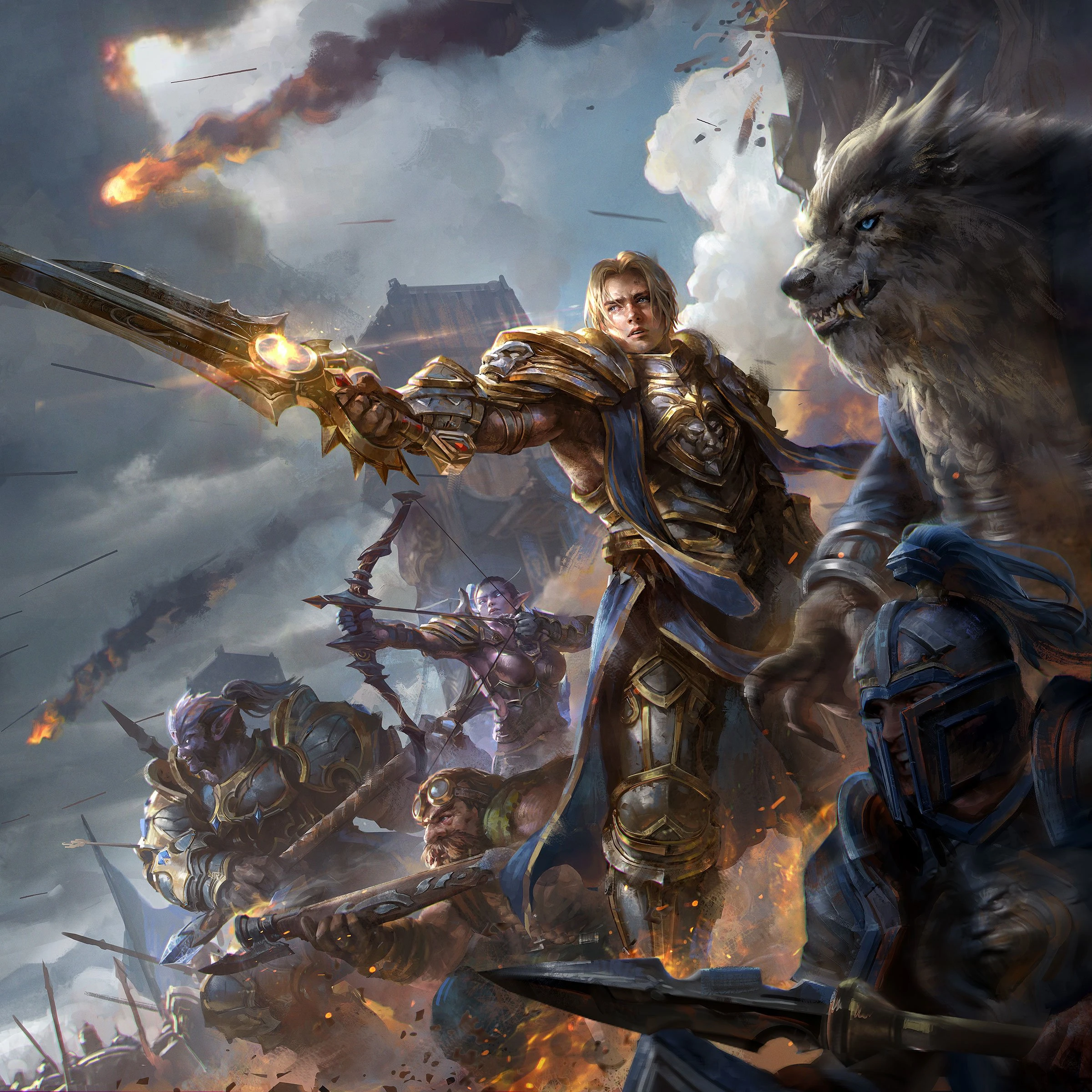
King Anduin Wrynn leading the siege of Lordaeron
In response to the Burning of Teldrassil, the Alliance retaliated against the Undercity during the Battle for Lordaeron. The two conflicts have reignited the war between the Alliance and Horde, as they battled for Azeroth and the Azerite proliferating from their dying world.
After discovering the Horde was planning to recruit the Zandalari Empire into their ranks, the Alliance knew it would need new allies to match the Horde's strength. Jaina Proudmoore proposed she head a diplomatic mission to recruit her estranged homeland, Kul Tiras, back into the Alliance. Kul Tiras' powerful navy would be a formidable asset to the Alliance that could even the playing field, but the Alliance needed to prove its worth to Kul Tiras' ruling houses before it gains the maritime nation's allegiance.[39] Kul Tiras has degenerated severely in contemporary times; it is plagued with crime, piracy, corruption, a missing Kul Tiran fleet, Drust incursions, Old Gods radicalization of the tidesages, a burgeoning Kul Tiran civil war, and to compound further their problems, the Horde had recently raided Brennadam and invaded Stormsong Valley.
After reconciling the estranged Proudmoore family and stabilizing Kul Tiras' troubled territories, the Alliance had once again regained the Kul Tirans' trust and unified the maritime nation. Lady Ashvane secretly plotted to usurp Katherine Proudmoore's rule over the island kingdom, but her attempt was ultimately thwarted by Alliance adventurers.[40] Lady Jaina Proudmoore's success in foiling House Ashvane's coup d'état and recovering Kul Tiras' missing fleet had also restored faith in Proudmoore leadership and she was subsequently named Lord Admiral for her accomplishments. Faced with the threat of the Horde, Kul Tiras rejoined the Alliance. The Kul Tirans then retaliated against the Horde by joining the Alliance during their invasion of Zuldazar.
The western region of Arathi Highlands becomes a warfront between the Alliance and Horde as they fight over Stromgarde.
Notable[]


Human nations[]
- Main article: Seven Kingdoms

Humanity has generally been controlled by seven powerful kingdoms, each with their own sphere of influence. All seven city-states were descended from the ancient nation of Arathor. Recently, however, a series of devastating wars have plagued humanity, resulting in the end of several kingdoms and the creation of a new one, Theramore, the only human state in Kalimdor.
After the end of the Third War, Alliance forces under Jaina Proudmoore sailed to southeastern Kalimdor. They founded a stronghold called Theramore, a small, walled city on a rocky isle east of Dustwallow Marsh. Theramore Isle and the nearby mainland fall under human control and border Durotar, the orcs' new homeland, to the north. Humans and orcs maintained a tentative peace along their borders, but clashes were common.
Lordaeron still boasted several human settlements even after the Third War, but it has diminished to a fraction of the size and power that it once was. Hillsbrad and a few settlements in Silverpine Forest once held out, as did a sizeable Scarlet Crusade presence. After the Cataclysm however, the Forsaken has conquered most of these remaining settlements, and the Scarlets have fallen into decline. The humans in the neutral Argent Crusade - many of whom originated from the former Lordaeron nation - have solidified their presence in the recovering Plaguelands. The Kingdoms of Alterac and Stromgarde are still in ruins, but both have different factions of humans trying to reclaim their respective kingdoms. Meanwhile, only a fraction of the Gilnean population are considered humans as most others are afflicted with the Worgen Curse, or otherwise permanently killed or raised as Forsaken. The status of humans in Kul Tiras is yet to be seen.
Stormwind, in the southern continent of Azeroth, suffered in the First and Second Wars but remained relatively untouched in the Third. Stormwind has been rebuilt and stands larger and better defended than before. Though the Scourge did not make itself felt in Stormwind, the kingdom faces its own enemies, both from without and within. Nevertheless, currently, Stormwind is humanity's strongest nation and a symbol of reclamation and renewal.
| Human nations | First War | Second War | Interim | Third War | Interlude | Alliance-Horde war | Third Burning Legion Invasion | Fourth War | Current status | Current affiliation | |
|---|---|---|---|---|---|---|---|---|---|---|---|
| Lordaeron | - | Damaged[41][42] | Rebuilt | Destroyed[43] | See Scourge and Forsaken | Ruined | - | See Battle for Lordaeron | In ruins, defunct | Contested/Forsaken[44] | |
| Stormwind | Destroyed | - | Rebuilt | - | - | Damaged | Rebuilt | - | Healthy | Alliance | |
| Dalaran | - | Damaged[45] | Rebuilt | Nearly destroyed[46] | Rebuilt | Rejoined Alliance | Damaged | Rebuilt | Healthy | Alliance/Neutral | |
| Kul Tiras | - | Damaged[47] | Rebuilt | - | Fell silent[48] | - | - | Damaged | Active | Alliance | |
| Stromgarde | - | Damaged[49] | Left Alliance | - | Damaged | Damaged[50] | See Stromgarde | See Warfront | Active | Alliance | |
| Gilneas | - | - | Left Alliance | - | See Worgen | Rejoined Alliance | - | - | Ruined, land abandoned[48] | Alliance | |
| Alterac | - | Subjugated by Alliance[51] | Rebuilt[52] | - | See Syndicate | Damaged | - | ||||
| Tol Barad | - | Damaged[53] | Rebuilt | - | - | Damaged | - | - | Crippled | Contested | |
| Theramore | - | - | - | - | Founded | Destroyed | - | - | In ruins | Alliance | |
About human populations living outside of the Seven Kingdoms:
- The first victims of the Plague of Undeath were the inhabitants of a human village in the Dragonblight.[54] Alexandros Mograine mentioned that "Whole cities have gone missing" and that "Northrend is lost".[55] Wintergarde Keep was built over an old human village dating back before the Alliance Vanguard arrived to the Dragonblight.[56] The trappers are a faction of humans who inhabit the Grizzly Hills in Northrend. Most were transformed into worgen by the Wolfcult.
- Despite having unique names and a unique look, the Wastewanders are not native to Kalimdor; they originate from a group of former pirates who were marooned in Tanaris.[57]
- Booty Bay, or Blackwater Cove as it was previously known,[58][59] was a small port town inhabited by humans which was overrun by jungle trolls.[60][61][62] Eventually, the goblins of the Steamwheedle Cartel managed to drive out the trolls from the immediate area to claim the shores of the cove for themselves.[58][59][63] This happened prior to the First War, as Booty Bay was already territory of the Steamwheedle Cartel by then.[64] It is unknown if this settlement belonged to Stormwind, another kingdom or if it was independent. Due to the similar names, these humans may have become the Blackwater Raiders.
- There are still humans from Booty Bay in current time, such as Makasa Flintwill,[65] [66] with their own traditions and culture.[67] As Makasa's mother is a member of the Blackwater Raiders, this also hints at a relationship between the original inhabitants of Booty Bay and the pirate group.
Appearance[]
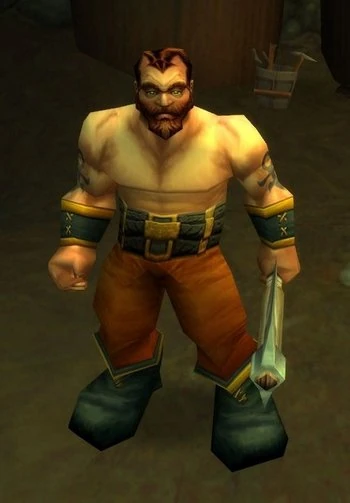
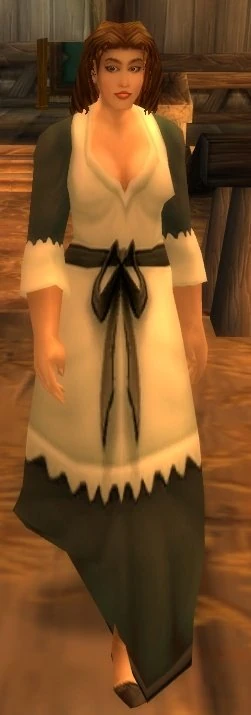
Humans come from many backgrounds and show great physical variety among all the races. Humans' skin ranges from dark to light and may have tones of other colors. Their eyes are blue, brown, green, gray, or hazel. Human hair is brown, black, blond, or red. Men often grow short beards and women commonly wear their hair long. Female humans are on average 5'8" tall while males usually reach a height of about 6'1",[68] however, some males do reach heights of 6'6".[69]
The physique of humans is more muscular and sturdy than of elves, but much more slender than that of dwarves. The color and hue of human skin vary, ranging from a fair pink, to tanned, to a very dark brown. Hair becomes gray or white with sickness or age. Human eyes have been known to glow like those of the naturally magical elves if he or she is wielding powerful magic.
Culture[]
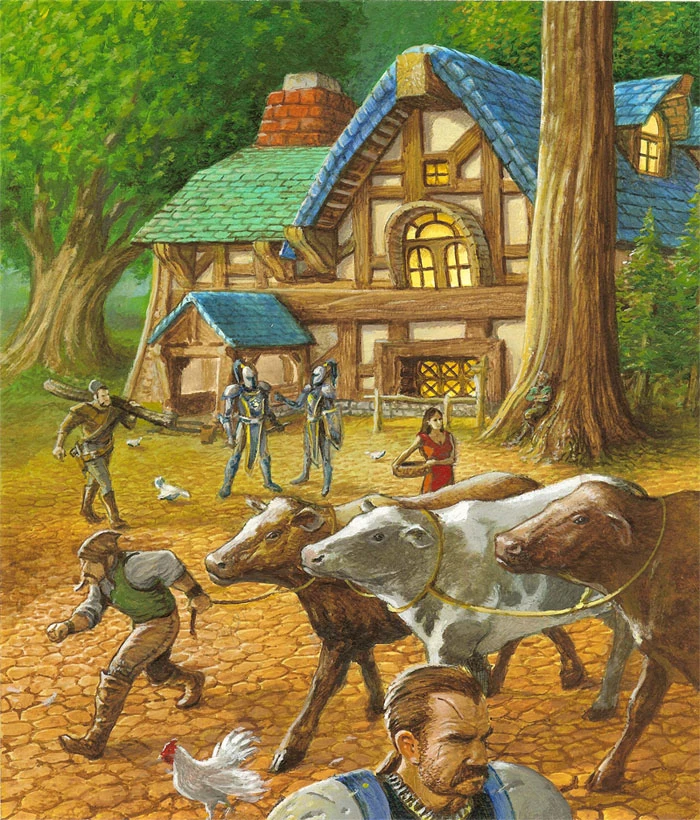
Goldshire TCG art.
Humans seem to be a naturally proud and ambitious race. The humans of Azeroth have a very strong sense of triumphalism and have been known to be arrogant, overzealous, or vainglorious. Humans have also regularly displayed noble and altruistic attitudes and actions. These qualities have led to human society producing notable heroic and villainous figures in recent history.
Most humans take comfort in having an orderly and just society. This is derived from their tales of a great leader named Tyr. The story of Tyr slipped into memory long ago, when the young race of humans struggled to survive using the limited supplies provided to them by the parents who had abandoned them. They occasionally took to gathering around a fire whilst trying to read from scrolls telling of ancient heroes and leaders – tales from the civilization that had cast these creatures out. One of these scrolls spoke of a great leader, a paragon of order and justice, who sacrificed his right hand in a fight against an unfathomable evil. Although it was within this hero's power to fix his hand after the fighting had ended, the hero instead chose to replace it with a closed fist made of the purest silver. In this way, the hero impressed upon those who followed him that true order and justice can only be accomplished through personal sacrifice.[9]
Upon experiencing the world through the eyes of the human Tyrathan Khort through the use of a memory wine draught, the troll chieftain Vol'jin was shocked at how relatively weak and fragile human bodies are compared to those of trolls. He reflected that humans know death can come quickly, yet they fight, explore, and show courage nonetheless, as if mortality is such a well-known companion that they can embrace it easily. He also noted that many humans have steel in them that allow them to recover from deep injures and fight hard against death.[70]
Humans prefer to live in villages, towns, and cities. Few humans understand the reverence of nature the night elves and tauren possess, and the most rural or rugged lifestyle a human has shown to possess is that of a farmer, bandit, or soldier. Human cities are extremely large, bustling, and lively. Outside city walls, in the countryside, the human peasantry provides basic resources to the rest of the kingdom; the peasant farms, mines, and chops wood. In the city, merchants trade goods while craftsmen practice and perform their trades and businessmen provide services. At the top of the social hierarchy are the nobility, who sit within their castles, making important political decisions on the running of the kingdom.
Despite the desire for order that generally exists among humans, some groups do deviate from this cultural trait and possess no loyalties toward their established political leaders. This is especially true in times of uncertainty for humans. Before the Third War, there were humans in the Northern lands of Lordaeron that were swayed into joining the Cult of the Damned. Banditry, sea piracy, and fanaticism amongst humans has been on the rise recently.
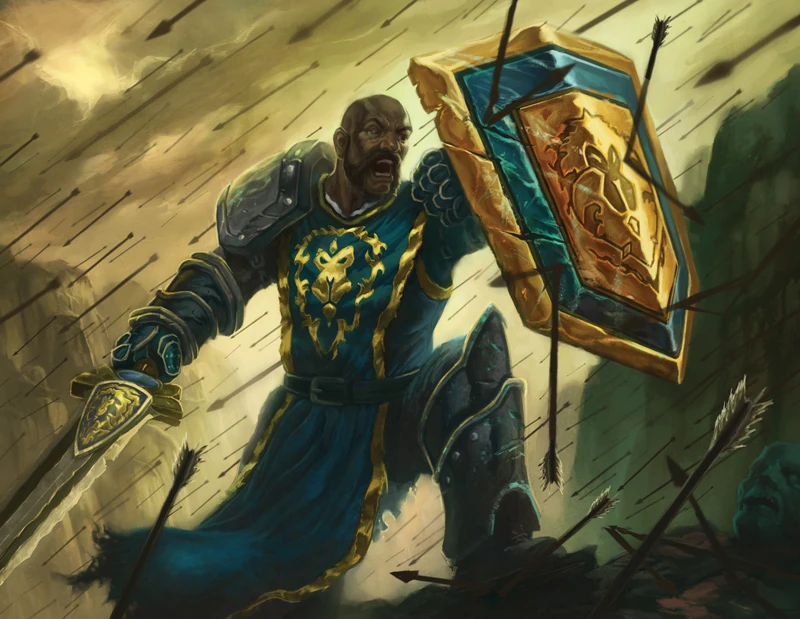
Royal Guardian Jameson, a human paladin.
Humans have a relatively short lifespan, less than the majority of the other races on Azeroth. Around the age 12, they reach the Age of Ascension,[71] often accompanied by a celebration.
Humans are also experienced and skilled sailors, with the nation of Kul Tiras being the greatest naval power of Azeroth, only rivaled by the Zandalari Empire, while both Stormwind and the now defunct kingdom of Lordaeron having their own powerful fleets. Also many pirates in Azeroth are humans.
The human state of Stormwind is the leader of the Alliance. Formerly it was the kingdom of Lordaeron, until its destruction at the hands of the Undead Scourge. Stormwind is the largest remaining bastion of human population and strength in Azeroth.[2]
Humans are seen to be filled with unchecked passion and ambition. Their desire for power and knowledge has allowed for some of the greatest mages to be human. The deep inner fire and emotions that brew within them have allowed many humans to master the Holy Light in ways unimaginable, leading the humans to establish the Knights of the Silver Hand as well as what are regarded as the most pious orders ever seen on Azeroth.
Like most other races, humans considered warlocks as pariahs. As they must operate in the shadows of polite society,[72] they practice their dark arts within hidden enclaves, so that they can escape the prejudice of the public. Among them, the Slaughtered Lamb's basement and catacombs notably serve as host to the warlock community of Stormwind City.[73] They also do not hesitate to assassinate those who would try to reveal their hiding place and activities to the public.[74]
Relations[]
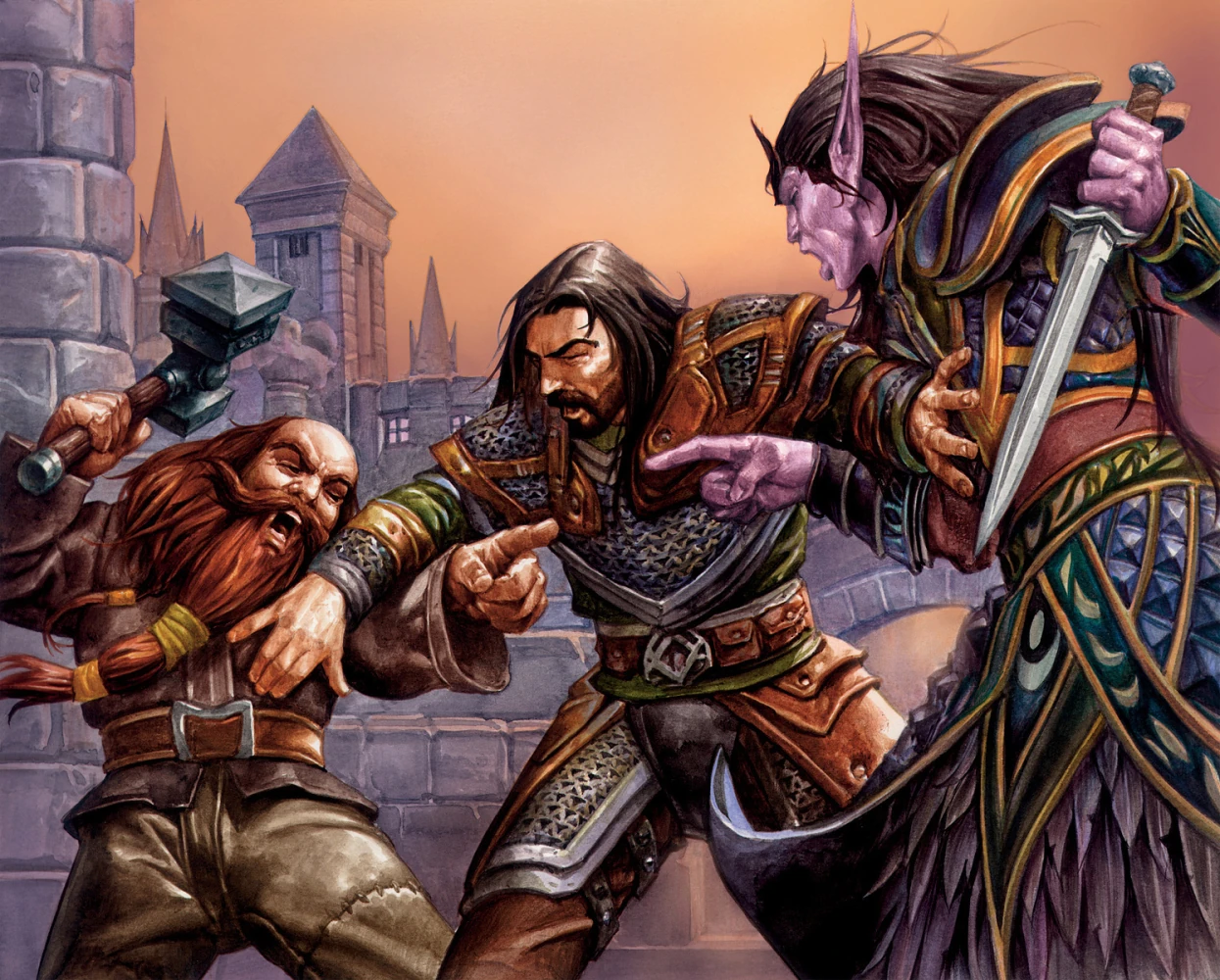
 [Diplomacy] TCG art.
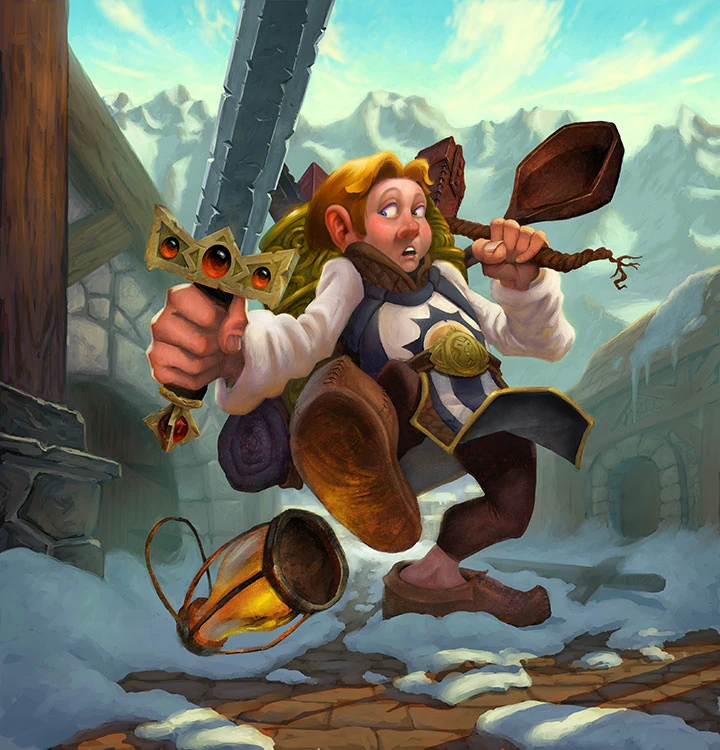
A squire of the Argent Crusade.
Even more than sheer tenacity, the human race's true strength lies in its willingness and ability to look past its own interests, see others' point of view, and seek diplomatic solutions. This has enabled the humans to form lasting alliances with other races.[75]
Humans and the Alliance[]
Humans began the Alliance, and it could not exist without them.
Humans' closest and most natural allies are the dwarves of Ironforge with who they have had a good relationship ever since the days of the Arathor Empire. Both have long shared many secrets of metal-smithing and engineering and discovered a common love for battle and storytelling.[14] The alliance between human nations and Ironforge was deepened during the Second War when the Alliance of Lordaeron liberated the dwarves from the Old Horde, which prompted the dwarves to express that they owed a debt that could never be repaid and to pledge their unwavering allegiance to the alliance, with them strengthening the Alliance with their forces and technological inventions. This bond only strengthened since the dwarves' latest discoveries have energized their archaeological efforts.
Humans also have a friendly bond with the Wildhammer Dwarves ever since the Second War, having saved them from the Orcs which prompted the grateful dwarves to join the Alliance of Lordaeron and constantly support their allies with their gryphon riders.
While they tend to find the gnomes strange,[citation needed] humans also greatly respect gnomish technological prowess as well as the gnomes' steadfast loyalty to the Alliance. Many humans have even come to lend their aid to the gnomes in their continuing fight for Gnomeregan.[76] Elves are a source of mystery and frustration - especially the exotic night elves, with whom they are allied. Despite this, humans respect the night elves' endeavors to restore and preserve the natural beauty of Azeroth; especially the Cenarion Circle's efforts to restore the Western Plaguelands and the Eastern Plaguelands to their original states. Humans respect the draenei's mastery and reverence of the Light. As with the night elves, humans also respect their continuing defiance of their common enemy, the Burning Legion. Humans are still wary of worgen because of their savage and brutal reputation but recognize them as allies and treat them with the same respect as any other ally.
Relations with the Horde[]
Humans first came in contact with the orcs during the First War, when the orcish Horde invaded Azeroth and attacked the kingdom of Stormwind, eventually destroying it and creating a great enmity and feud between humans and orcs that continues today. While the Old Horde has been defeated and has changed its ways, with several human leaders having made peace or even befriended orcs such as Jaina Proudmoore, the great majority of humanity still have a strong distrust of and grudge against orcs for the atrocities they committed toward them. Humans have also an old enmity with trolls due to the many wars the two races have had with each other ever since the birth of the Arathor Empire, people of Stromgarde in particular have a strong feud with the Amani Trolls.
Interacial relationships[]
Humans have been known to rarely intermarry with other races, most notably with high elves. The first Guardian of Tirisfal, Alodi, was a half-elf. The human paladin Turalyon married the elven ranger Alleria Windrunner, producing one son, Arator. Rhonin, leader of the Kirin Tor, was the husband of Alleria's sister Vereesa and together had twin boys, Giramar and Galadin. Less famously, a human woman now named Tamara Wobblesprocket married a gnome.
Faith[]
- Main article: Church of Light
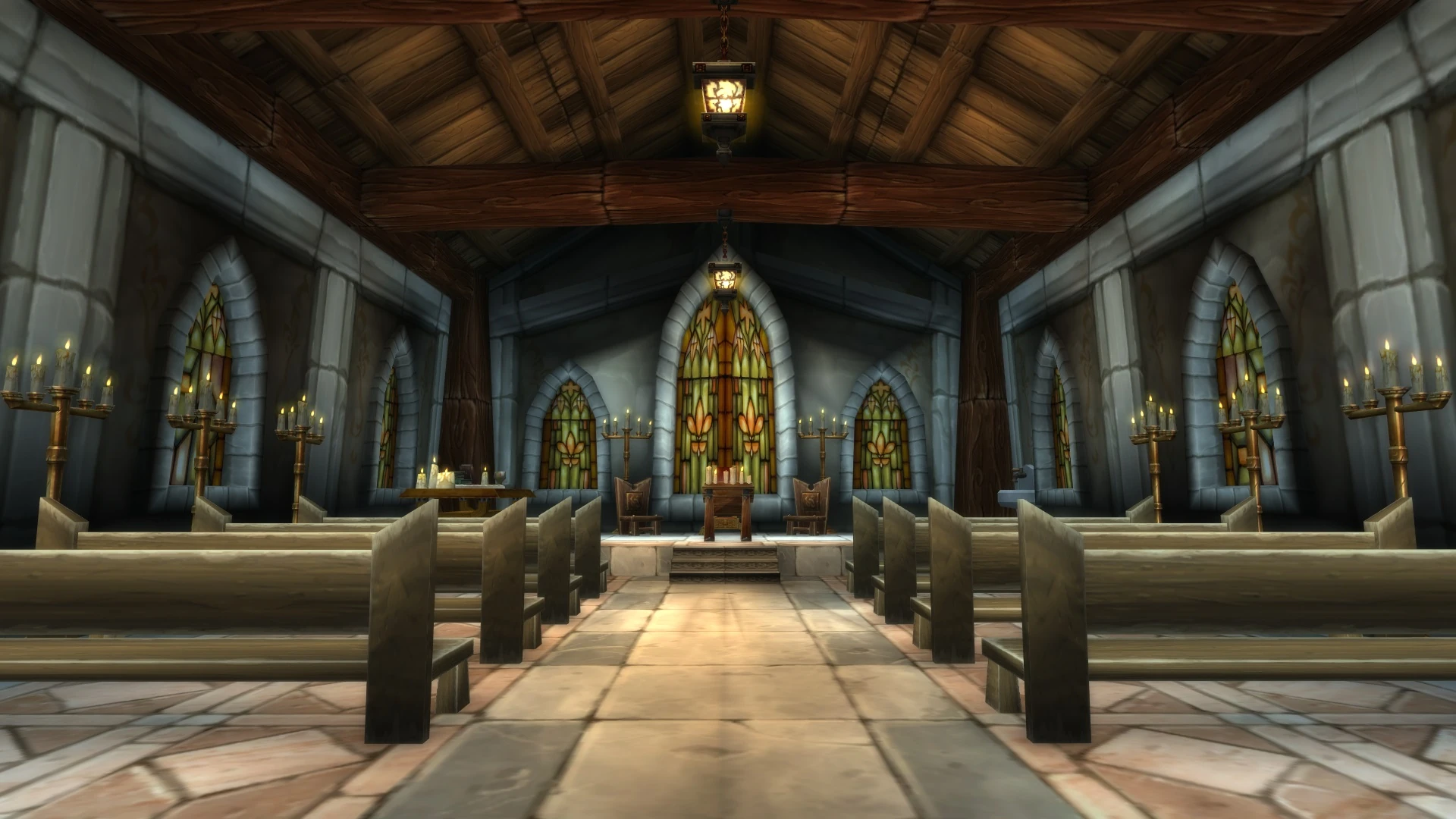
Interior of a human church.
Humans revere the Holy Light, who became a central part of all civilized human society, as their primary religion and a staple of worship, respect, and honor. The Church of the Holy Light is the religious institution at the head of this predominant human religion, and plays a significant role in all human societies.
Its members are dedicated to create a world of honor and justice, striving to aid others and be good in all actions. By embodying the tenets of their religion, the Church's skilled clergy can wield holy magic called the Light.
Through the centuries, the Church constructed temples, shrines, and churches in the far-flung human lands as places of worship, with a hierarchy of religious leaders to oversee its devoted followers. These monuments stand in their cities, where their priests preside over followers, they heal and restore in times of peace, soothe the weary, protect in times of war, and crusade against what they consider evil.
Following the Second War, Humans have an order of holy warriors, the paladins of the Order of the Silver Hand, who follow the Holy Light and crush evil and chaotic beings in its name. As the martial branch of the Church, they seek to be an example of the Light's teachings as well as enforce the laws, protecting the weak and vanquishing the evil.
Before Arathor and the rise of the Holy Light, the ancient human tribes had primitive nature-based religions with some common ties to druids, though they were not druids themselves. Today, only the harvest-witches of Gilneas remain of this old religion, as Gilneas's relative isolation from the other kingdoms has kept it going.[77] The powerful and unyielding white stallion features heavily in the myths of ancient human tribes.[78]
Most people on Kul Tiras look to the seas for guidance the same way others look to the Light, but the Tidesages have a much deeper connection with the water.[79] They worship the Tidemother.[80] Like Gilneas, Kul Tiras also has druids.
Language[]
Humans speak Common.
Humans have several wise sayings:[81]
- "Those who do not learn from history are condemned to repeat it."
- "Know your enemy."
- "Plenty of time for sleep in the grave."[82]
They also have the following nursery rhymes:
- "Be wary, child, of Plaguelands plain... / Be mindful, child, of the infected grain... / For if throat is parched and of infected water sip... / Forever your soul will be in cursed Scourge grip. / So heed this warning, child, and if far from mother stray... / Let light from home's hearth guide you back your way."[83]
- "Should you spy a mossy log / afloat in swamp, morass, or bog / toss a stone or take the risk / for it may be a crocolisk."[84]
A very old lullaby sung to children goes as follows:
- "Lu, la lu, my dearest child,
- Lu, la lu, lu la lay,
- Lordaeron says, "Go to sleep."
- Azeroth says, "Dream you deep."
- Lu, la lu, la lu, la lay,
- Safe in my arms you'll stay."[85]
Magic and technology[]
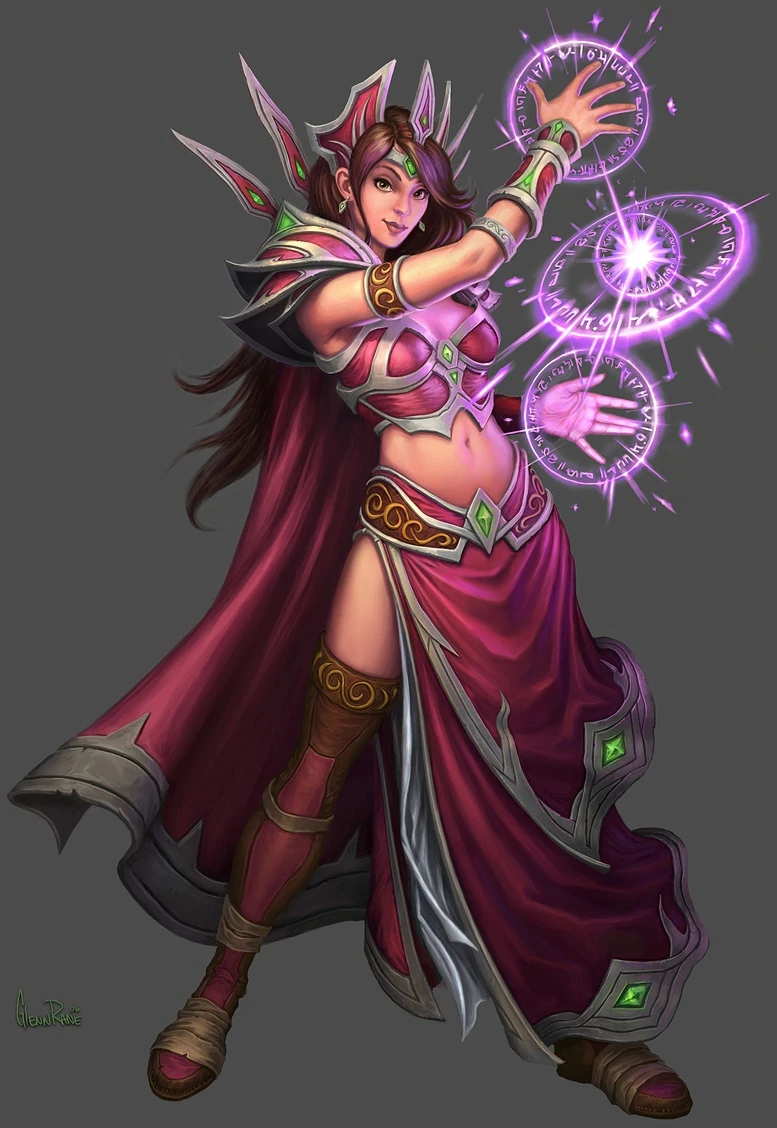
A human mage in art.
- Main articles: Azeroth magic#Humans, Alliance technology#Humans

Humans can be some of the most highly skilled and adaptable magic-users. Any list of the most powerful mages in history will be dominated by humans. Their mastery of these arts are rivaled on Azeroth perhaps only by the high elves, blood elves, Forsaken, gnomes, and the draenei.[86] Humans are most known for their arcane magic and divine magic. These magics are used to heal and create in times of peace, and to harm and destroy in times of war.
Humans have a relatively good understanding of science and technology. However, this understanding does not come close to that of their dwarven and gnomish allies. The efforts of human engineers are laughable when compared to those of the dwarves' and gnomes'. These races have provided their advanced artillery, metalworking, and engineering skills to the Alliance during times of war. These are considerable benefits, including the creation and operation of powered siege engines and flying machines. The Deeprun Tram is a gnome-built mechanical wonder that serves as a speedy underground transportation device between Ironforge and Stormwind.
The kingdom of Gilneas in particular has become strongly industrialised and technologically advanced under the impulsive of its previous king Archibald Greymane, with the the kingdom having many factories, and Gilnean forces heavily use firearms such as cannons, riffles, and guns more than any other human nation.
Even so, humans are a young race, and thus highly versatile, mastering the arts of combat, craftsmanship, and magic with stunning efficiency.[87] Humans can become master craftsmen and have adopted simple yet effective tools of wars such as the Human cannons, ballistas, Battering rams and Siege towers to their arsenal.
Humans have a great deal of respect for both the dwarves and gnomes for these accomplishments and are eternally grateful for their contributions to the Alliance. Humans, for the most part, do not seem to be particularly aware of nor concerned about the harms the advancement of civilization and technology (as well as the use of arcane magic) may bring upon nature and the world. However, humans respect the night elves and their desire to preserve their sacred forests and lands in Kalimdor.
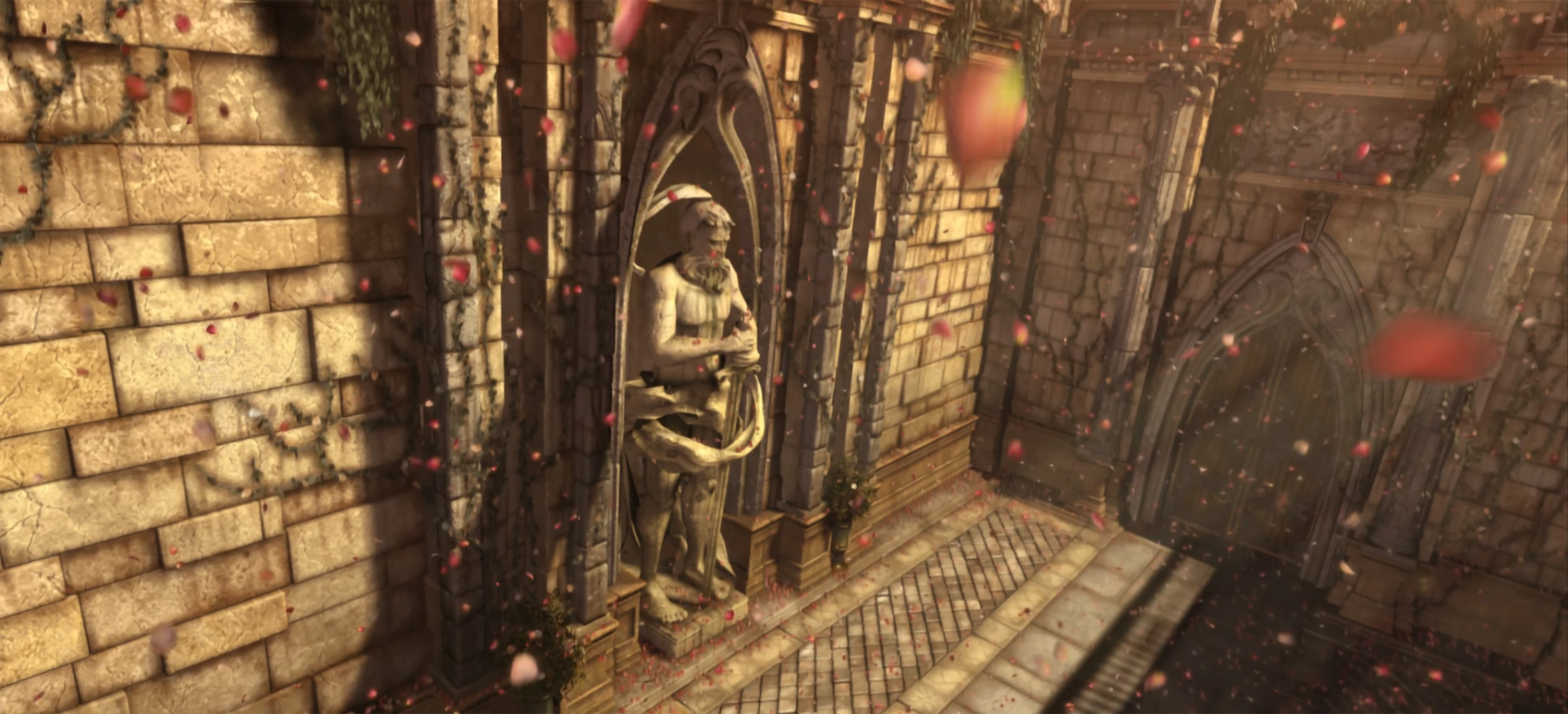
Part of Lordaeron's Capital City.
Human architecture is less pleasing to the eye than elven architecture, utilizing straight angles and simple materials such as wood, stone, and mortar. However, human structures are much more resistant to damage than elven or Horde structures. Human structures are not nearly as strong as dwarven structures[citation needed] or as advanced as gnomish architecture, but they are much easier to build, and human forts and towns can be built relatively quickly. Human Peasants have been the architects of much of the Alliance's fortifications throughout the course of the Alliance's history. They've been known to be quite efficient in building and construction when they organize themselves to collaborate on a singular task.[88] Because of these skilled craftsmen, Alliance bases can be expanded in a relatively short amount of time.
Warfare[]
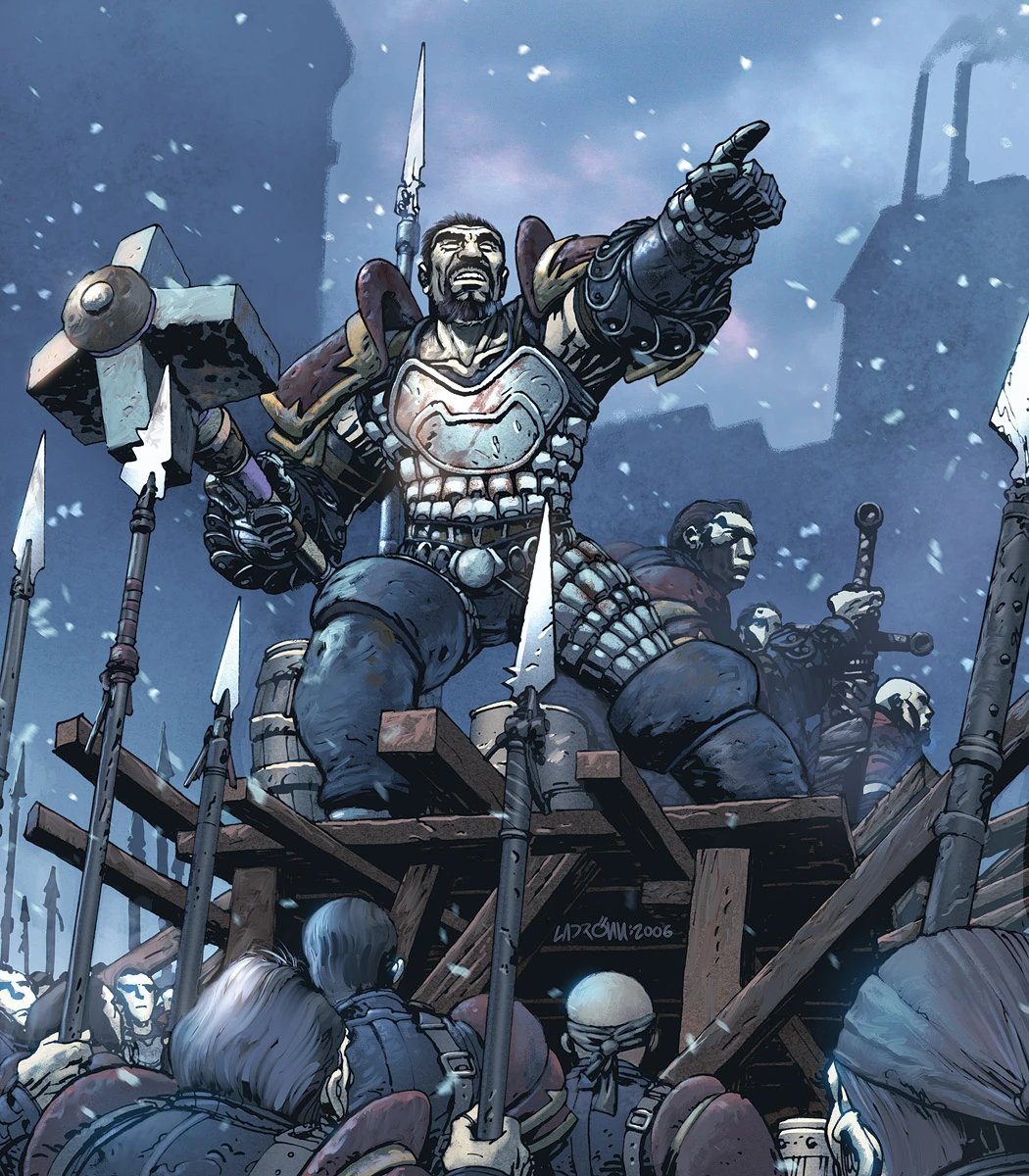
Human soldiers rallying for war.
The armies of the human kingdoms are a force to be reckoned with. Well-trained footmen march to battle in plate armor with kite shields and broadswords, while courageous knights covered in heavy plate mail ride headlong into battle atop of their powerful equine steeds, wielding mighty lances and swords. Behind the humans come their allies: cunning elven archers and dwarven riflemen provide ranged support, human and gnomish (and in the past, though there are still some left, high elven) mages blast their enemies with magic and priests use their divine magic to heal and aid wounded allies. Perhaps the most fearsome foe to evil and the enemies of humankind on the battlefield are the mighty paladins, considered by many to be the champions of the human Alliance. These fearsome knights bring justice to their enemies and aid to their allies with a combination of healing and aura magics and mastery with giant warhammers and massive runeblades.
Human bases are very difficult to penetrate. The walls of their strongholds are tall and tough, and from their watchtowers they can see enemies approach from far away, attacking them with siege weapons and archers while they advance. Behind the walls, an enemy would expect to meet ranks of dismounted knights and footmen. During the Second War, the Horde lost many of its warriors laying siege to Capital City, many of them killed by the city's ballistae and archers.
In the RPG[]

Introduction[]
Humans are among the oldest races on Azeroth, and their valor, optimism, and versatility have led them to build some of the world's greatest kingdoms, dominating the continents of Lordaeron and Azeroth. With life spans generally shorter than the other races, humans strive all the harder to achieve great heights in empire building, exploration, and magical study. Their aggressive and inquisitive nature led the human nations to become active and influential in the world. Such was the case prior to the orcs' original invasion through the Dark Portal. Human kingdoms suffered greatly in the three wars against forces of the demonic Burning Legion's creating, The Horde in the first two, and The Scourge in the third.
Many humans fell in the Third War, leaving behind battered yet unbowed survivors of the Human Expedition under the command of the sorceress Jaina Proudmoore. This group settled on the wild continent of Kalimdor.
Lordaeron, a former human homeland, is decimated - a battlefield for forest trolls, the Scourge, Forsaken, ogres, and other creatures. The few humans who remain in Lordaeron struggle to keep their small settlements free of the villainy that boils around them. Stormwind, the first to feel the orcs' rage, fares better and is the most powerful human nation remaining. Still, Stormwind is far from safe, and enemies persistently attack it.
Humans value virtue, honor, and courage, though, like all races, they also pursue power and wealth. Humans have spent generations battling dark forces and have lost some of their greatest kingdoms to them. This loss embitters humans, and they have a view of diplomacy that does not favor negotiations. Aided by belief in the Holy Light, humans have fought hard and endured much during the wars against the Horde, the Scourge and the Burning Legion. Despite all their tragedies, humans show hardiness and bravery and are thoroughly committed to building strong societies, reinforcing their kingdoms, and reclaiming their nations. Years of war have tempered human resolve, tempering them and giving them a determined nature.[89]
History[]
Between the finding of magic from the Well of Eternity and the Great Sundering (approximately 14,000-10,000 years ago)[90] humans that were called humans (and not Azotha or vrykul) appeared.[91] They were nearly as savage as their foes among the trolls, and both groups wandered the land battling each other while trying to plant the seeds of their cultures.[90] The trolls actively hunted these humans.[92] These nascent humans saw the kaldorei as shadowy figures with god-like powers.[91] Centuries before the War of the Ancients, the bear Ancients Ursoc and Ursol, befriended many generations of humans and kaldorei and were beloved in return.[93]
When the night elves fought the demons during the War of the Ancients in their lands, the humans and trolls retreated deep into the wild.[90] Groups of endangered humans or night elves were guided away from the doomguard by Aviana disguised in mortal form.[94]
After the Sundering, the human tribes teetered for thousands of years on the brink of extinction as their numbers were winnowed by an increased struggle for resources. They persevered, exploring the continents in search of game, wood, and refuge.[92][95] These years were nearly the race's last, as it eked out sustenance from the ashes and the aftermath of the destruction until the Sun returned.[96] The surviving tribes of humans sent out intrepid bands to explore the reborn world and to find their long-lost brethren. Slowly, trade routes were established across the revitalized world.[95] These early humans may have had access to divine spells through worship of the Old Gods or early cults that would become the Church of the Holy Light.[96]
Culture[]
They are old at about 55 years of age, and at 70 years they are venerable, with a maximum age between 72–110 years.[97] Because of this, humanity strives to make the most out of what it has and to build legacies. This has led to the formation of different nations and orders across many lands and to the forging of alliances not only between each other, but with other races, and seeking to do whatever is necessary to protect and secure their nations so future generations can live peacefully and safely.[citation needed]
Humans and the Horde[]
Humans and orcs joined forces to face the Burning Legion several years ago, but friction again returned once they dispatched the demonic threat. Although the Alliance and Horde leaders bear a healthy respect for each other, old racial hatreds are commonplace. Humans also look upon tauren with suspicion, due to the ties tauren have established with orcs. Humans dislike and distrust jungle trolls and, to an even greater extent, Forsaken.[98]
Languages[]
They may know many other languages, however, as they deal with many different creatures.[98]
Names[]
Human parents grant a child its given name at birth, while its family name has a long history and usually speaks something of its bearer's ancestry. Some humans change their family names to emphasize their own accomplishments.
- Male Names: Merander, Gyram, Darrick, Hebry.
- Female Names: Lilla, Merian, Richelle, Ammi.
- Family Names: Renn, Townguard, Silversmith, Runetouch.[98]
Faith[]
- Paladins are wholly committed to defending the human nations.[98]
RPG notes[]
- Although many generations of humans and kaldorei were befriended before the Great Sundering.[93]
- Some modern human females have retained the ability to turn their flesh to stone or steel in a similar way as dwarves, due to the human's ancient connection with the titans. They believe that it was Khaz'Goroth who created them specifically.[99]
- Humans weigh about 180 pounds, with men noticeably taller and heavier than women.[89]
Notes and trivia[]
- Humans, like ogres and broken, have their own aggro sound: "Hah!"
- When Rhonin traveled to the past, during the War of the Ancients, the night elves didn't know what race he was and their studies indicated that he was some variation of a dwarf who had simply grown much taller than the rest.[100]
- Ogres prefer to cook humans with the blood still in the carcass, whereas trolls prefer their stringy meat to be stripped from bone and turned to jerky.[101]
- The kingdoms of Lorderon and Stormwind appear to have been known for growing pumpkins for years. Thomas Thomson owned a pumpkin farm in Tirisfal Glades,[102] and the region today is the only source of the squash for the Horde during Pilgrim's Bounty, [Pumpkin Pie] being a traditional local dish in both areas.[103] Elwynn, Stormwind, and Westfall are all areas known to grow pumpkins. There is even the dish of pumpkin pancakes.[104] Chen Stormstout considers Stormwind pumpkins to make an excellent ale.[105]
- Humans have also appeared in every Warcraft-based game.
- The demonym corresponding to the Kingdom of Arathor is "Arathi". The seven kingdoms that split from Arathor use the demonyms "Stormwindian" (Stormwind), "Lordaeronian" (Lordaeron), "Dalaranian" (Dalaran), "Gilnean" (Gilneas), "Stromic" (Stromgarde), "Alteraci" (Alterac), and "Tirasian" (Kul Tiras).[106][107]
- The RPG-only Sister of Steel class hinted two years before the actual release of Wrath of the Lich King that humans, dwarves and gnomes shared a common "metallic" ancestry.
- The first playable humans in World of Warcraft were always from the nation of Stormwind.[108] Then later came the worgen-humans from Gilneas, and lastly the Kul Tiran humans.
- Human in-game cultural inspirations borrow heavily from European peoples and histories, including Roman Antiquity, Norse mythology, and contemporary English aesthetics.
- The unification of the three original human tribes (the Arathi of Thoradin, the Alteraci of Ignaeus Trollbane, and the people of Lordain) resembles the founding of Rome by the original three Romulean Roman tribes.
- The role of a black wolf in the founding of Strom resembles the importance of the she-wolf in Roman mythology.
- The sword [Strom'kar, the Warbreaker] and its role in taking down Zakajz the Corruptor as Arathor's final battle resembles a variation to the legendary sword Hrunting given to Beowulf to take down Grendel's Mother or Nægling to take down the dragon.
- The recent retrieval of Strom'kar by the warrior adventurer from within a lake gestures as well to Excalibur.
- The foundation of the paladins by Supreme Commander Anduin Lothar and Archbishop Alonsus Faol gestures to the paladins of Charlemagne after being coronated by Pope Leo III.
- The way the elves of Quel'thalas and early humans collaborated, and the later reminding by Anduin Lothar to the elves of the oath they swore, gestures to the same histories within the Lord of the Rings universe between the Elves and Men against the orcs of Mordor.
- For inspiration of the Church of the Holy Light, see Church of the Holy Light#Notes and trivia.
- For inspiration of the Kingdom of Stormwind, see Stormwind (kingdom)#Notes and trivia.
- For inspiration of the Kingdom of Gilneas, see Gilneas#Notes and trivia.
- For inspiration of the Kingdom of Kul Tiras, see Kul Tiras (kingdom)#Notes and trivia.


Gallery[]
- World of Warcraft

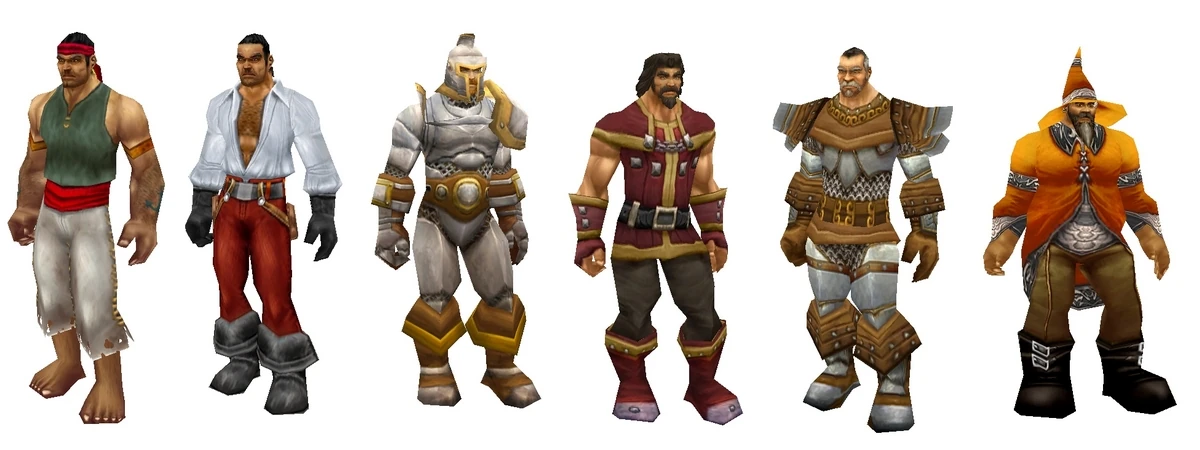
Alpha models compilation 1.

Alpha models compilation 2.
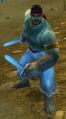
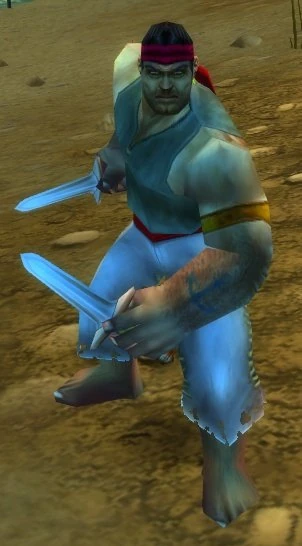
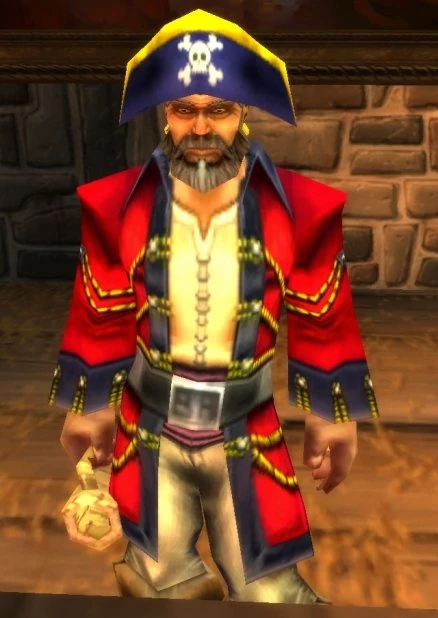
Pirate NPC model.
Pirate NPC model.
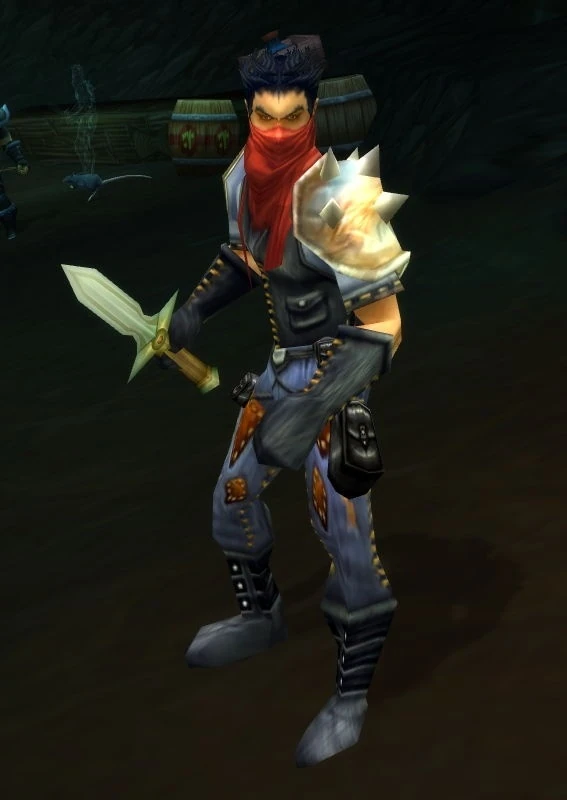
Defias NPC model.
NPC model.
NPC model.
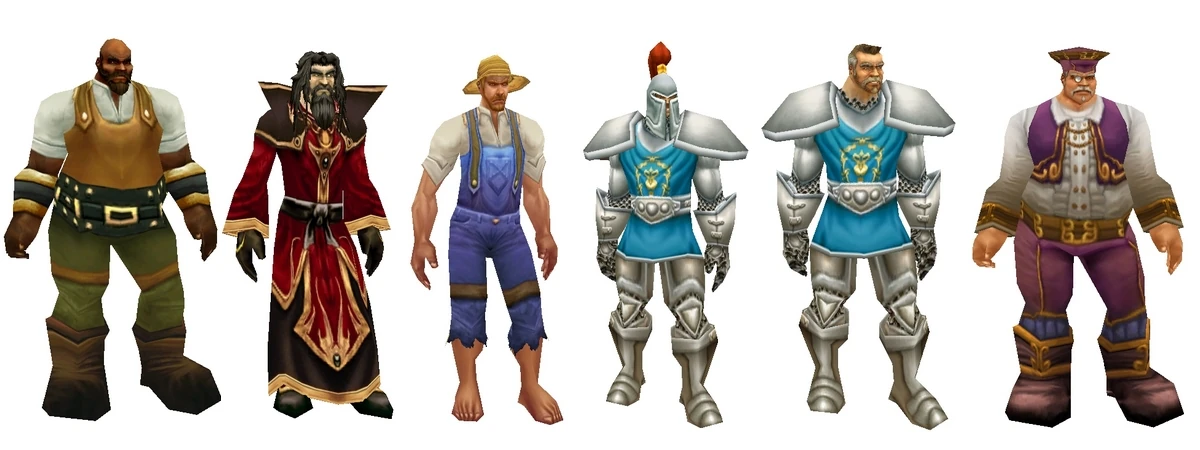
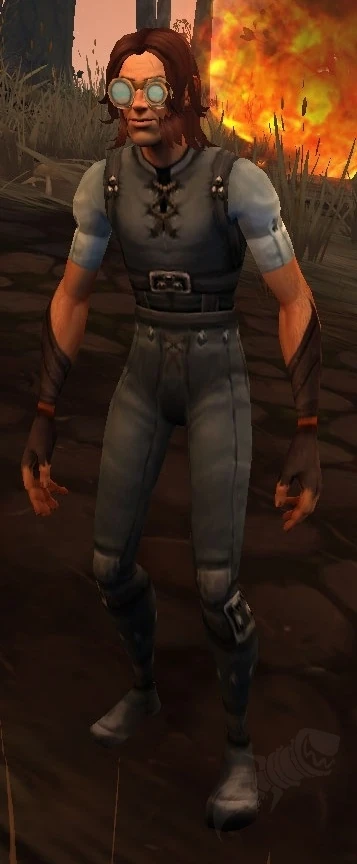
A portly NPC model.
A slender NPC model.
NPC model.
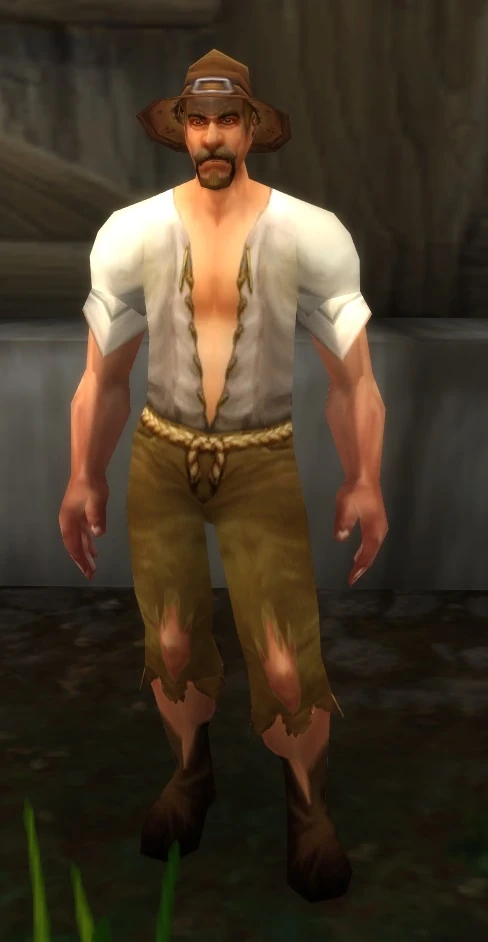
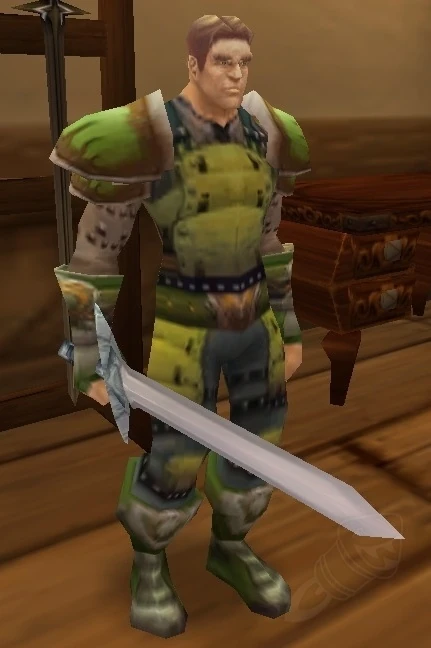
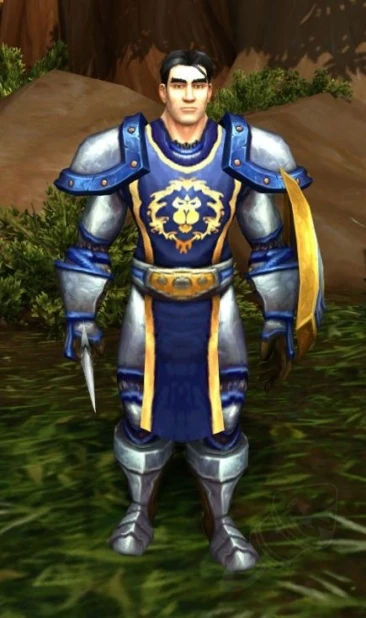
Human male model.
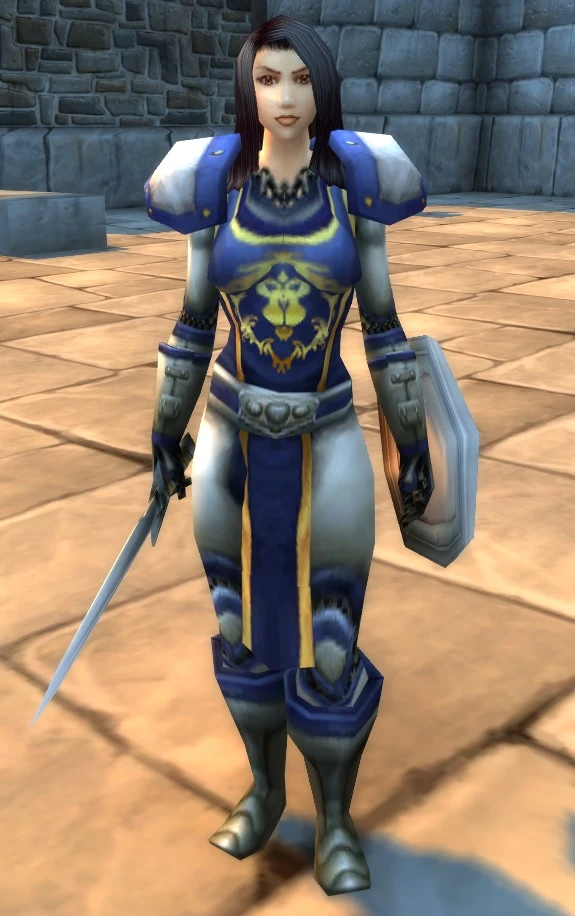
Human female model.
Human male model from 6.0.
Human female model from 6.0.
With cultist face marks and skin color
A bigger human male model in Battle for Azeroth.
A bigger human female model in Battle for Azeroth.
Slender human male model in Battle for Azeroth.
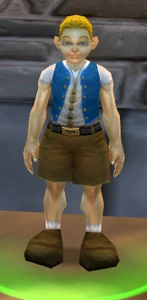
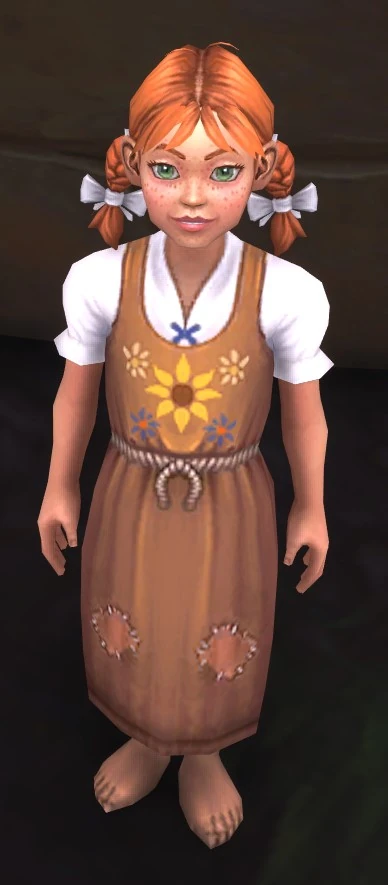
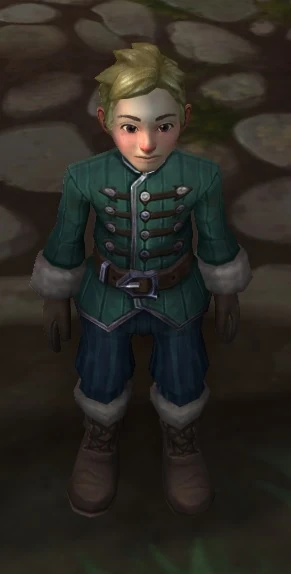
Boy.
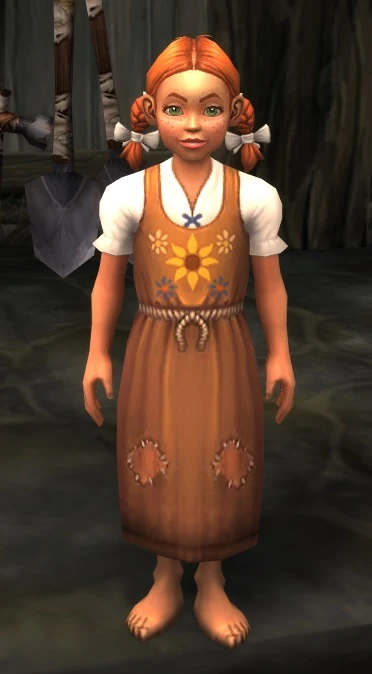
Girl.
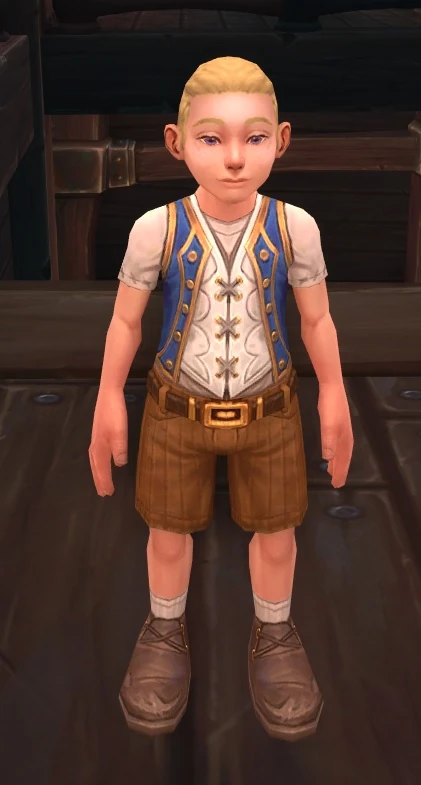
Boy in 8.0.
Girl in 8.0.
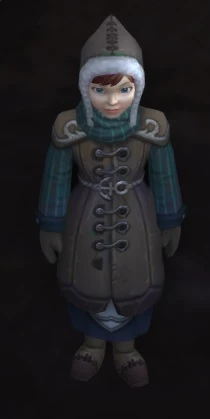
Boy model from Kul Tiras.
Girl model from Kul Tiras.
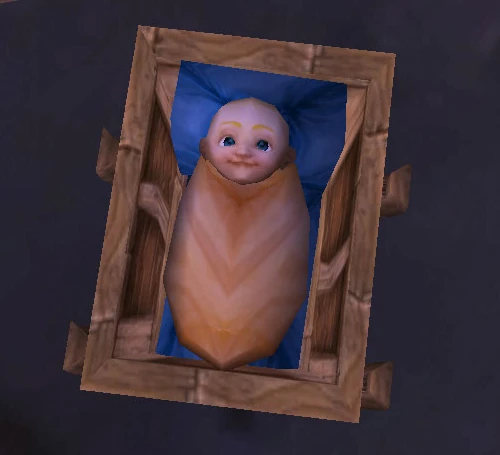
Human baby.
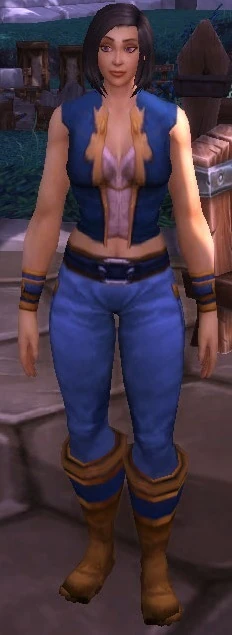
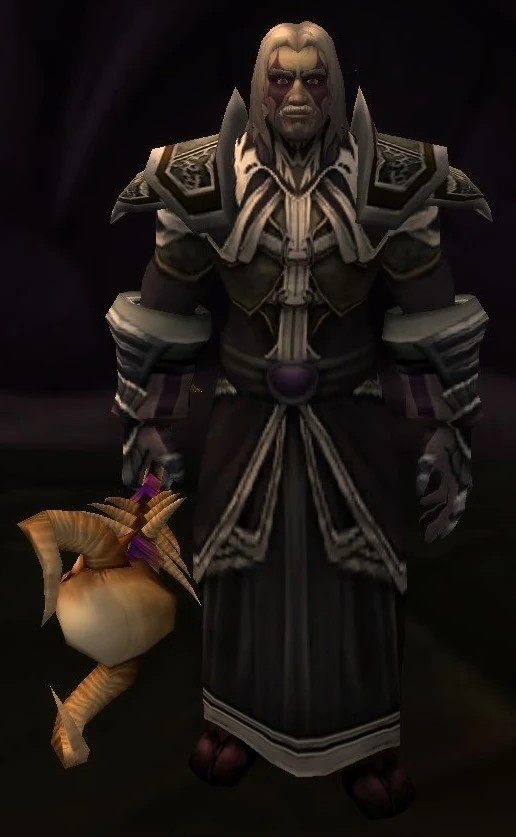
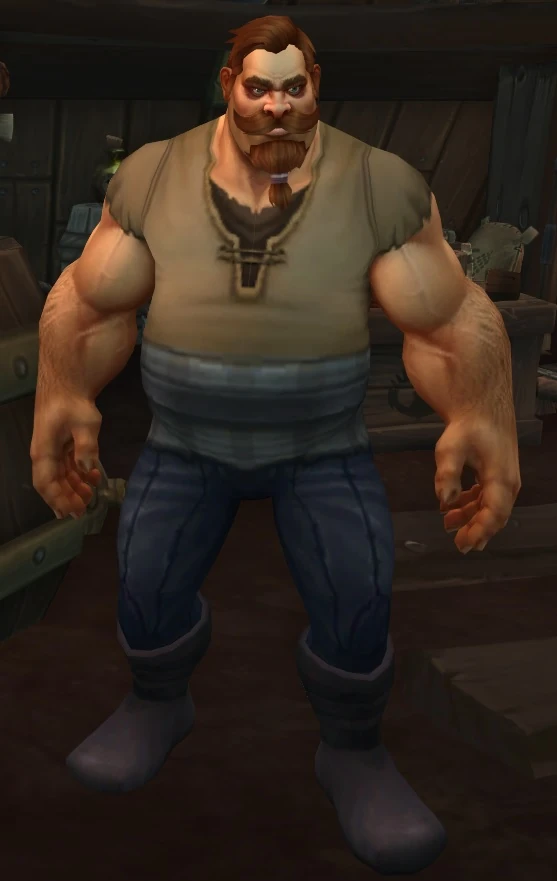
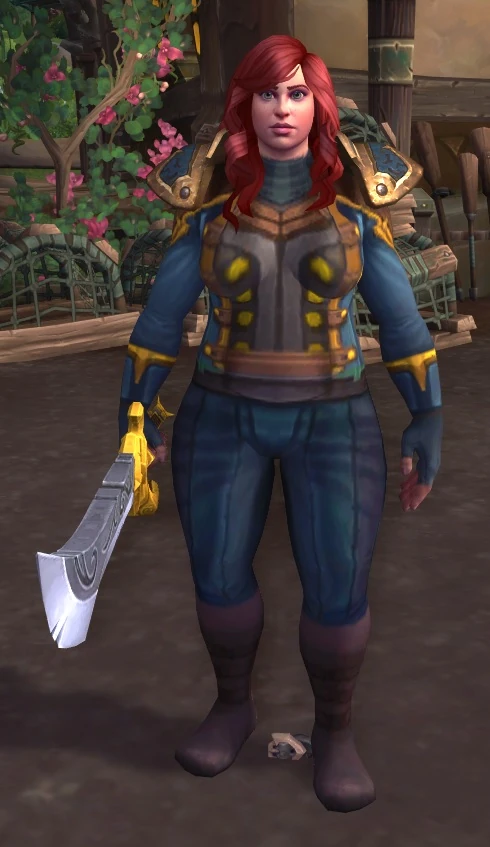
- Cinematic stills
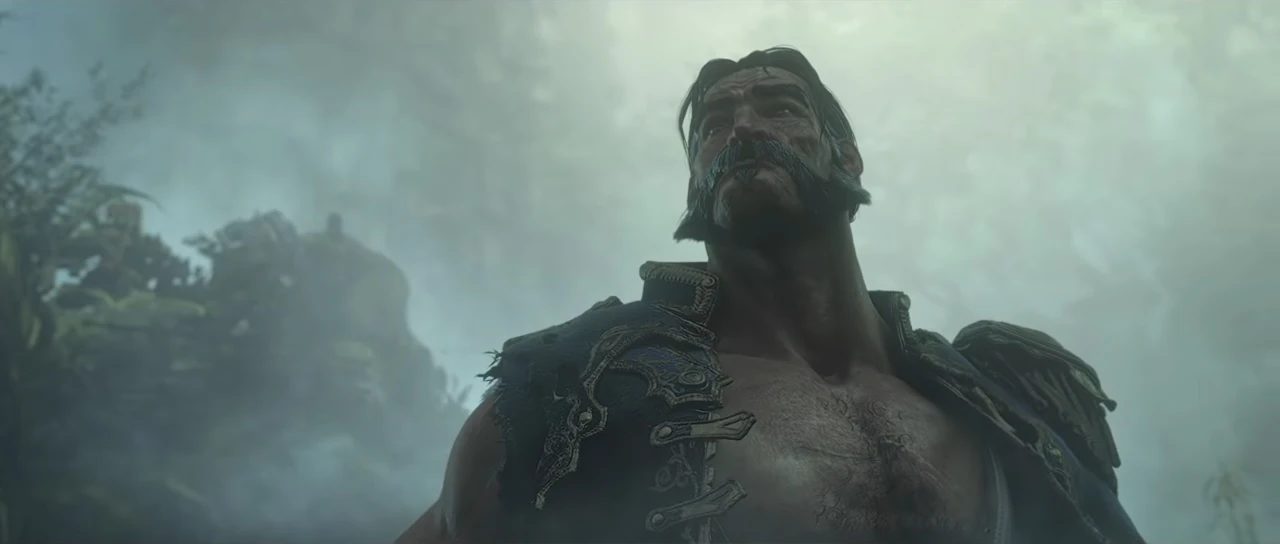
Human in the Mists of Pandaria cinematic.
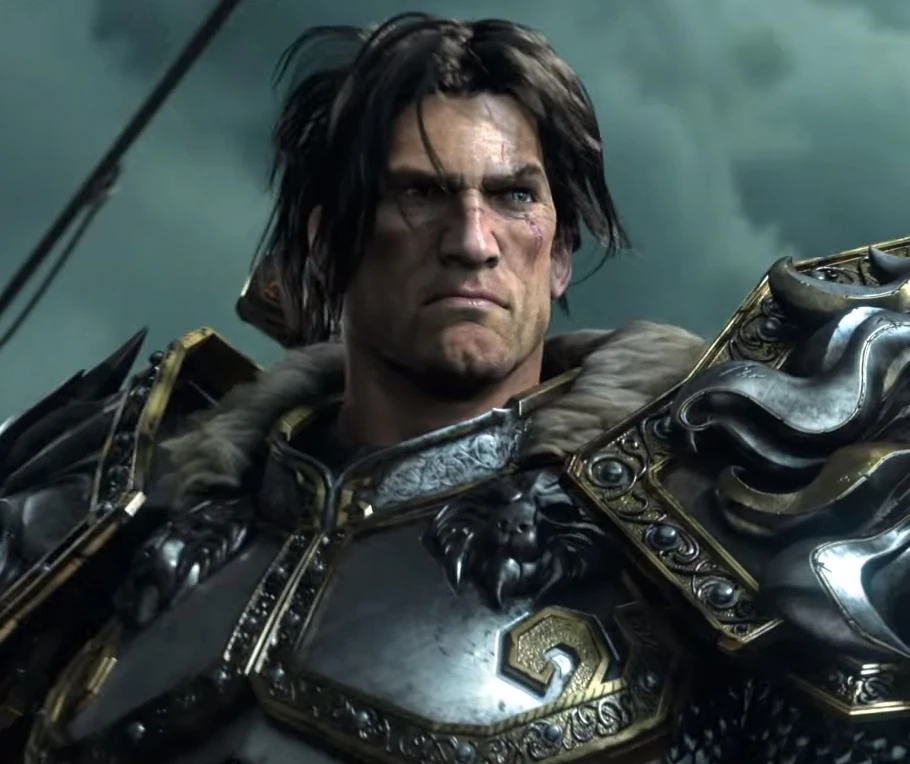
Varian in the Legion cinematic.
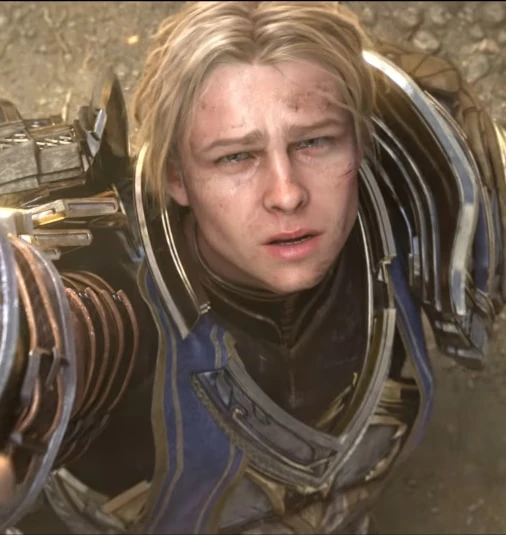
Anduin in the Battle for Azeroth cinematic.
- Art
Human in the Mists of Pandaria cinematic.
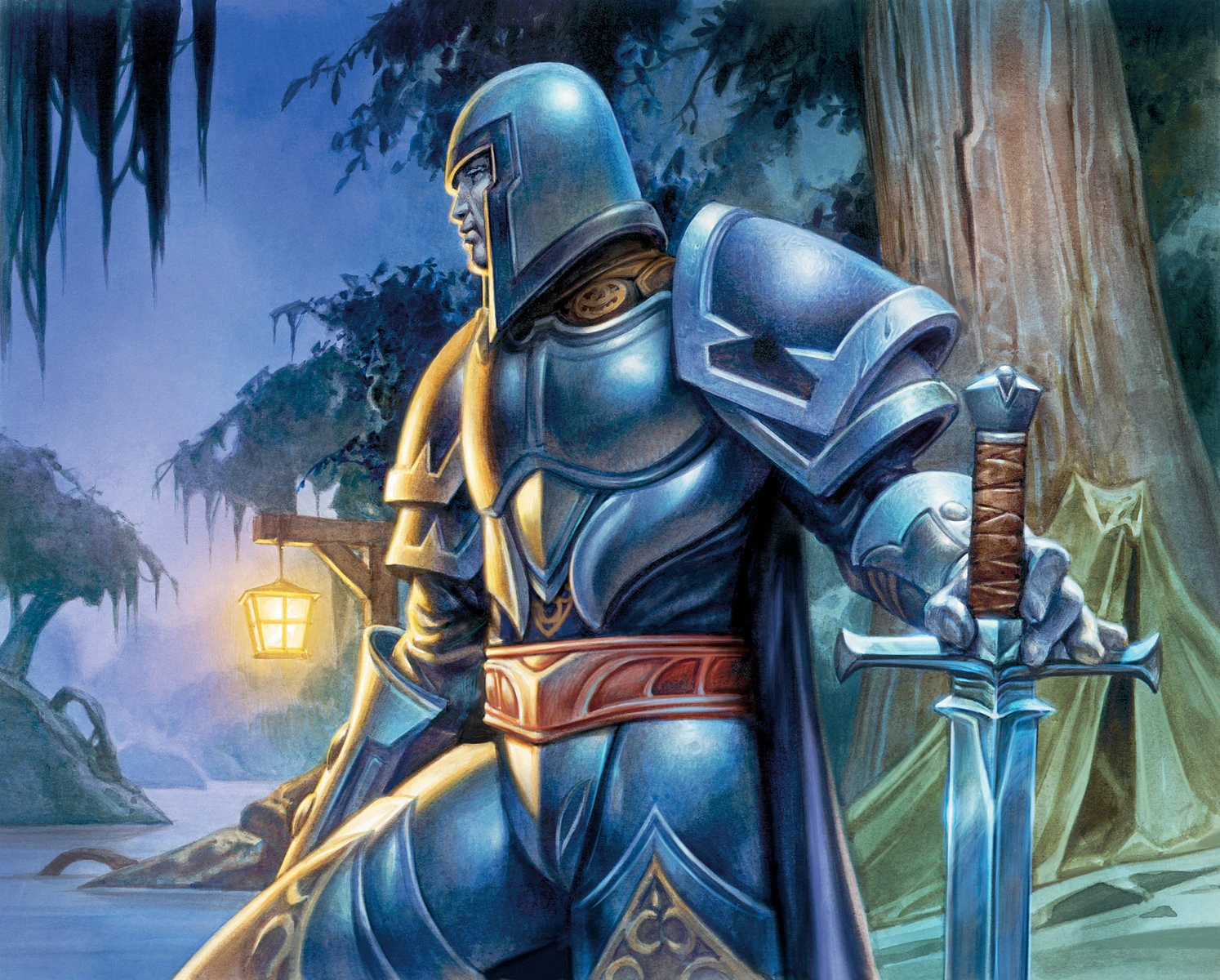
Trogun Smith, a human paladin.
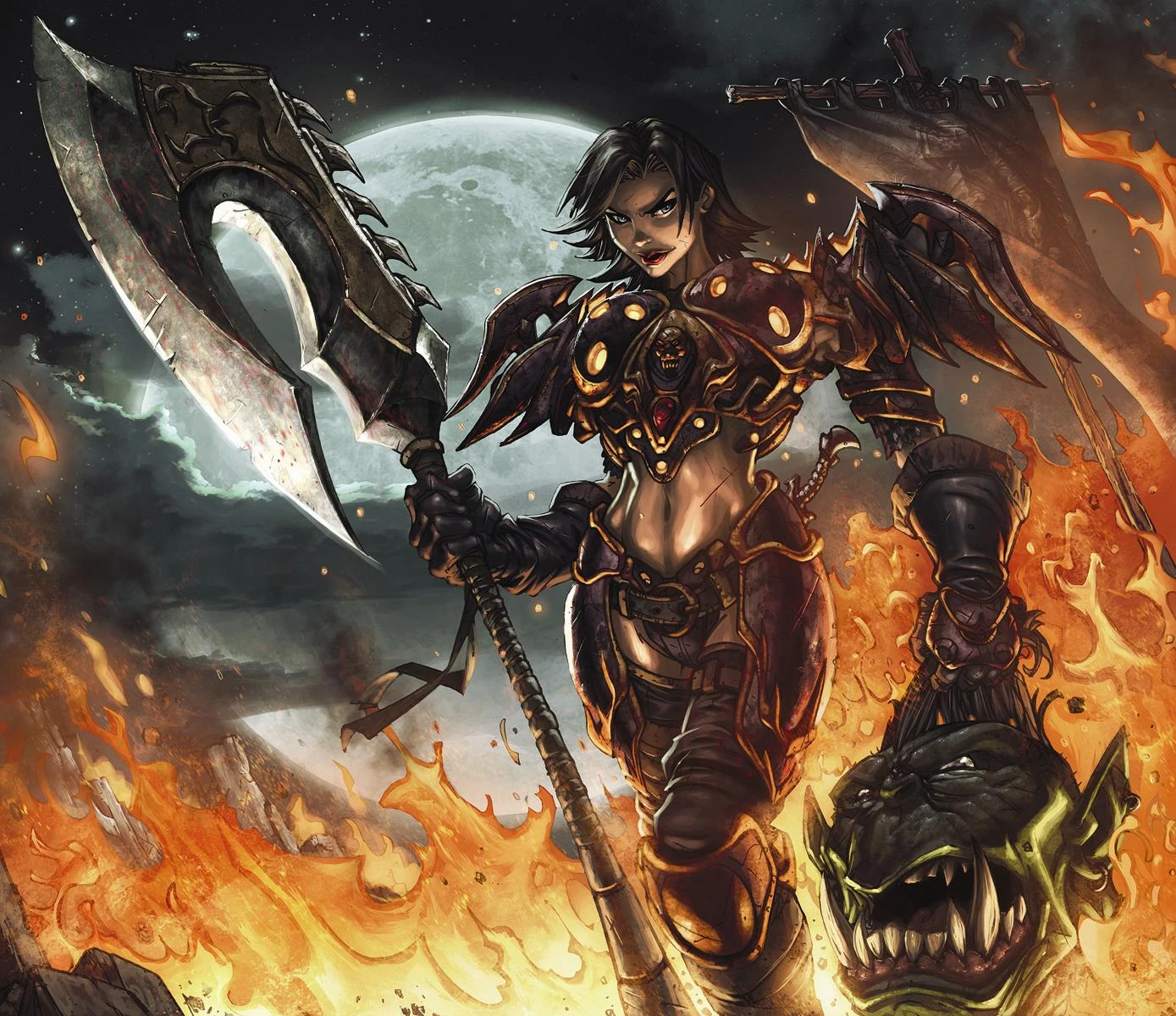
Blademistress Lyss, a human warrior.
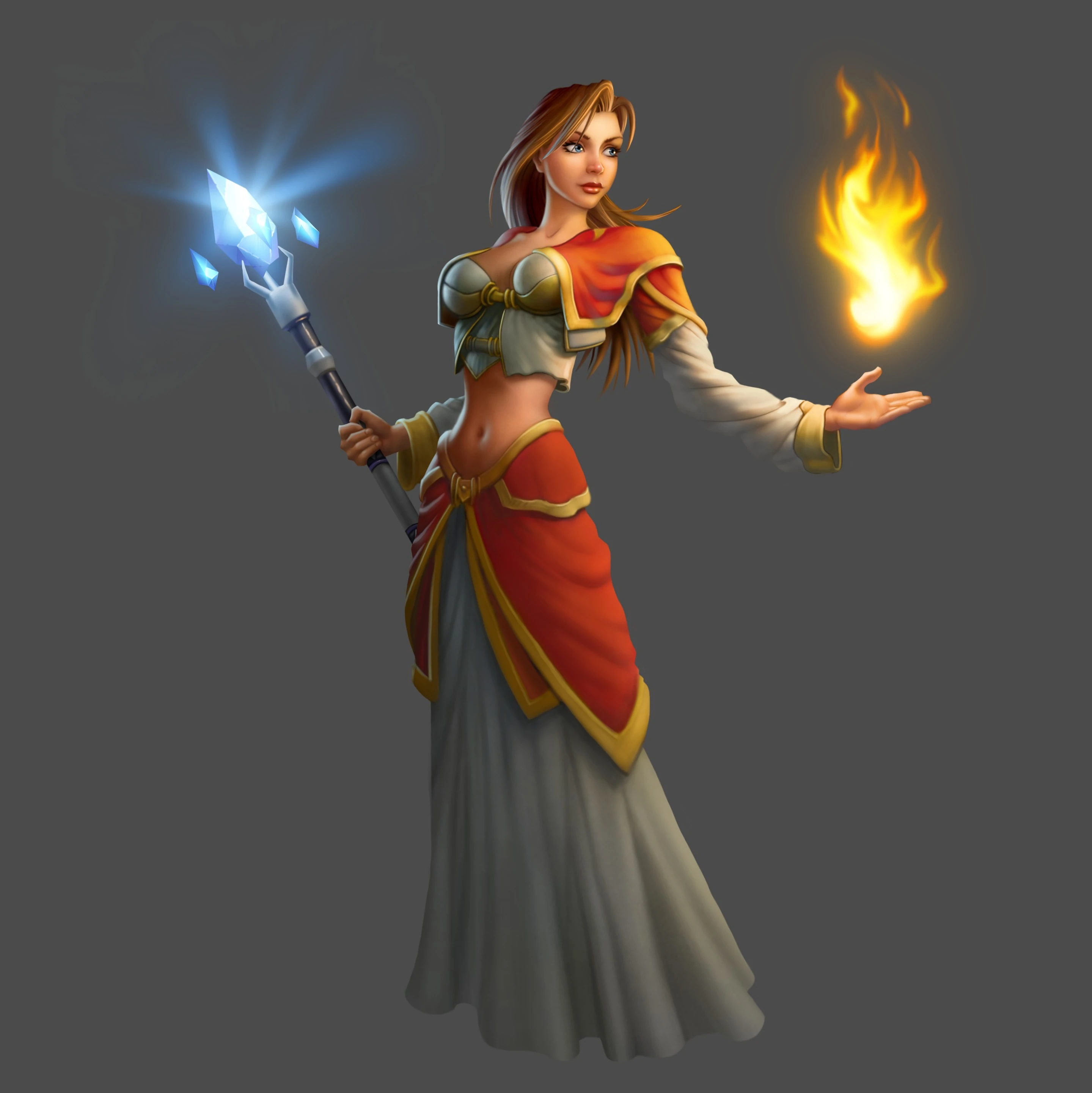
A female human mage.
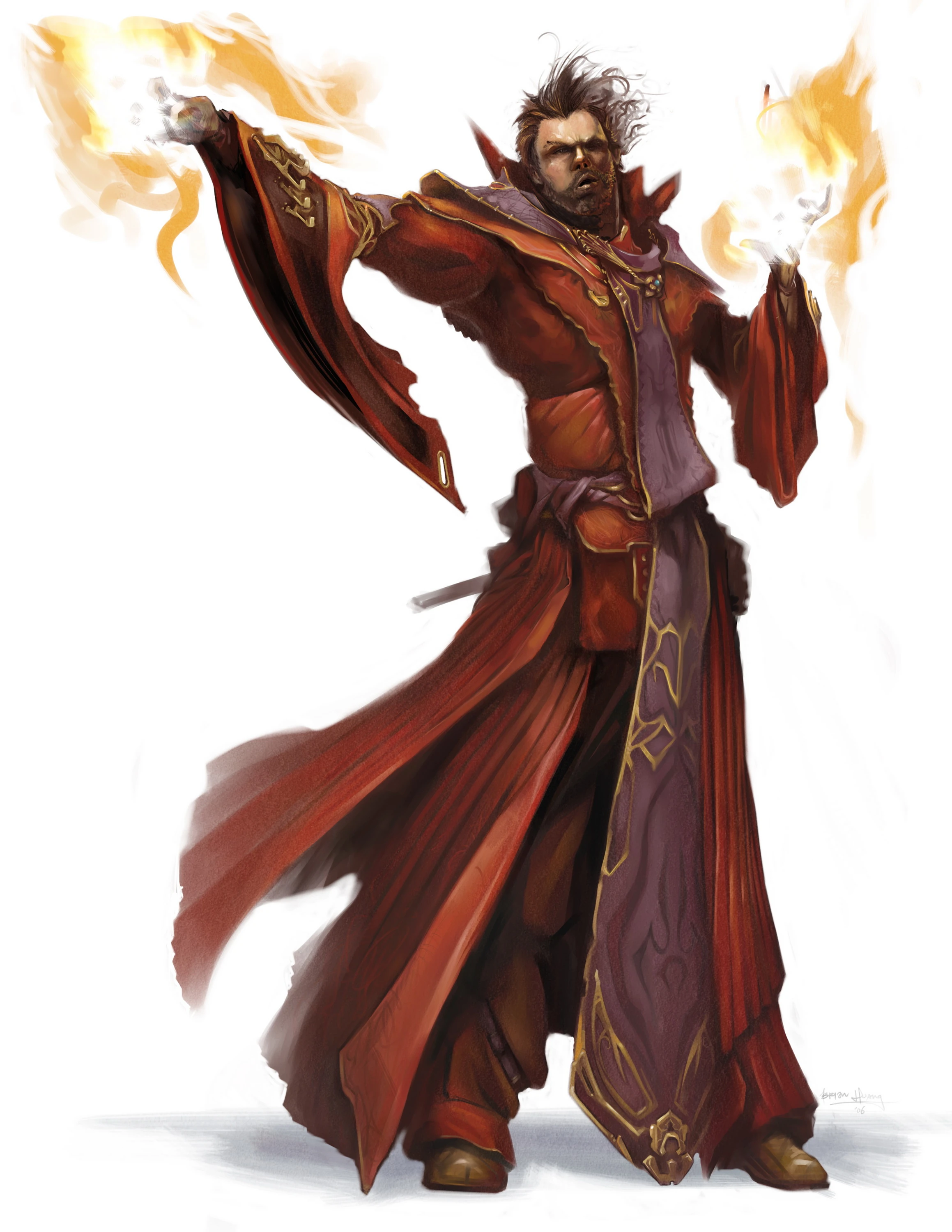
A male human mage.
Human female.
A male human.
"A Lion Among Wolves" by Samwise Didier.
Legends promo artwork.
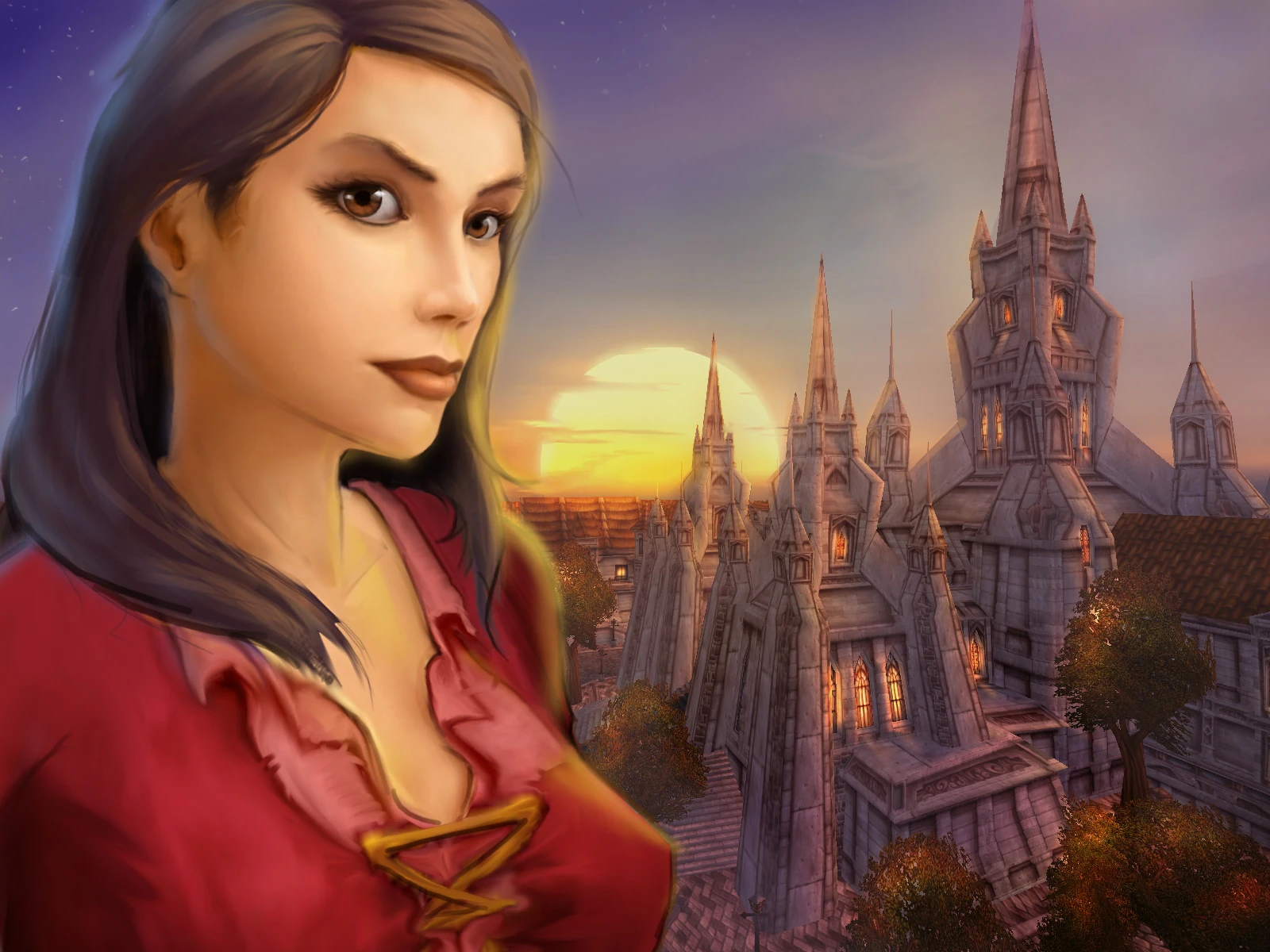
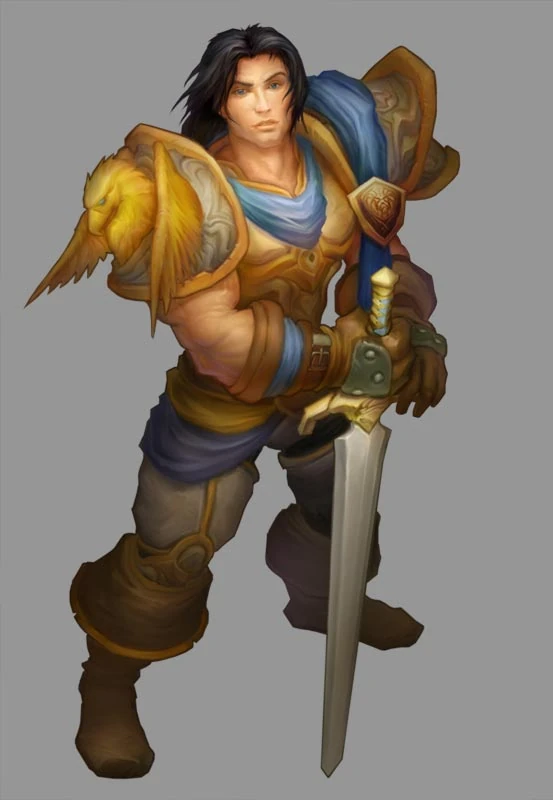
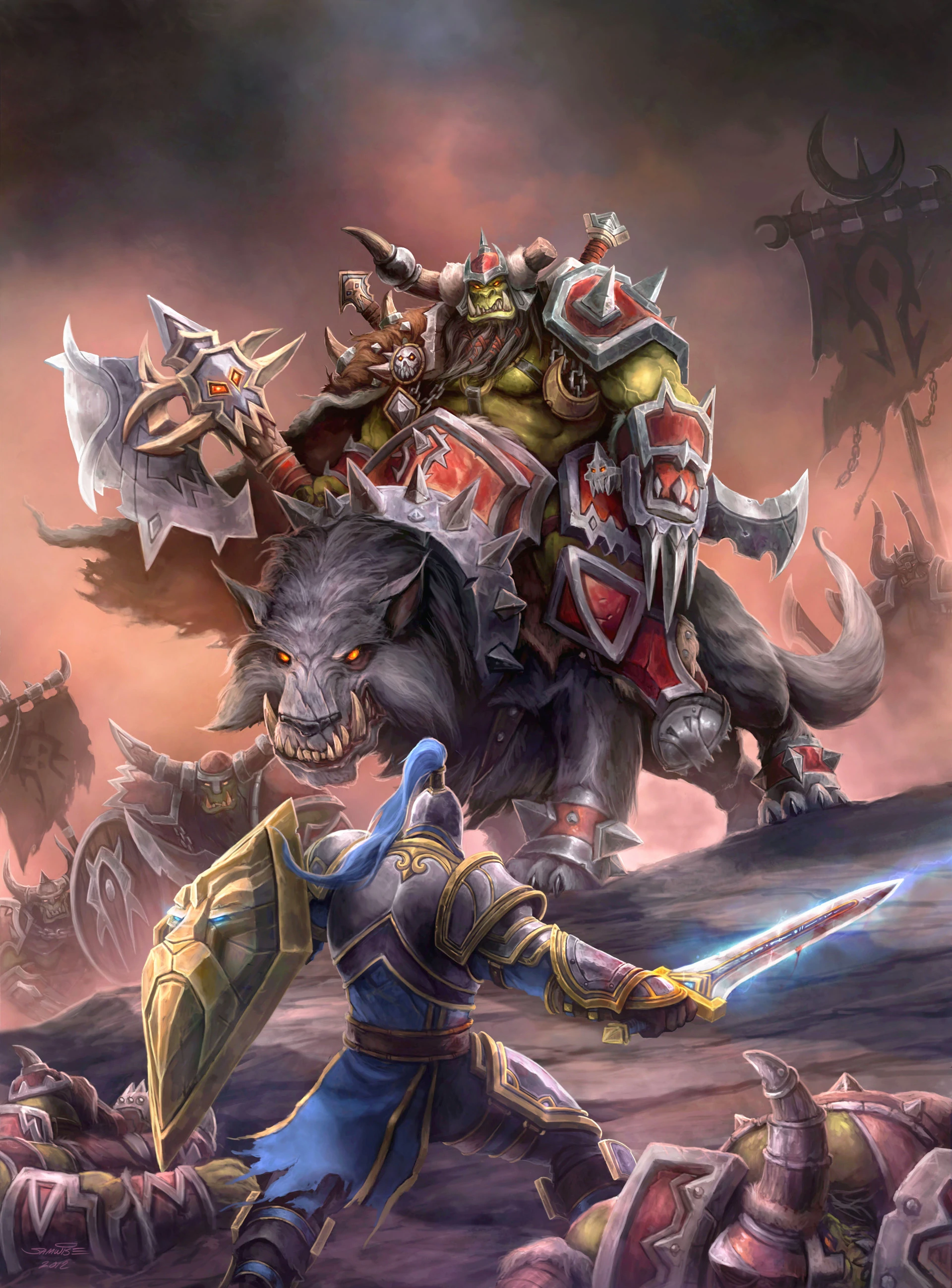
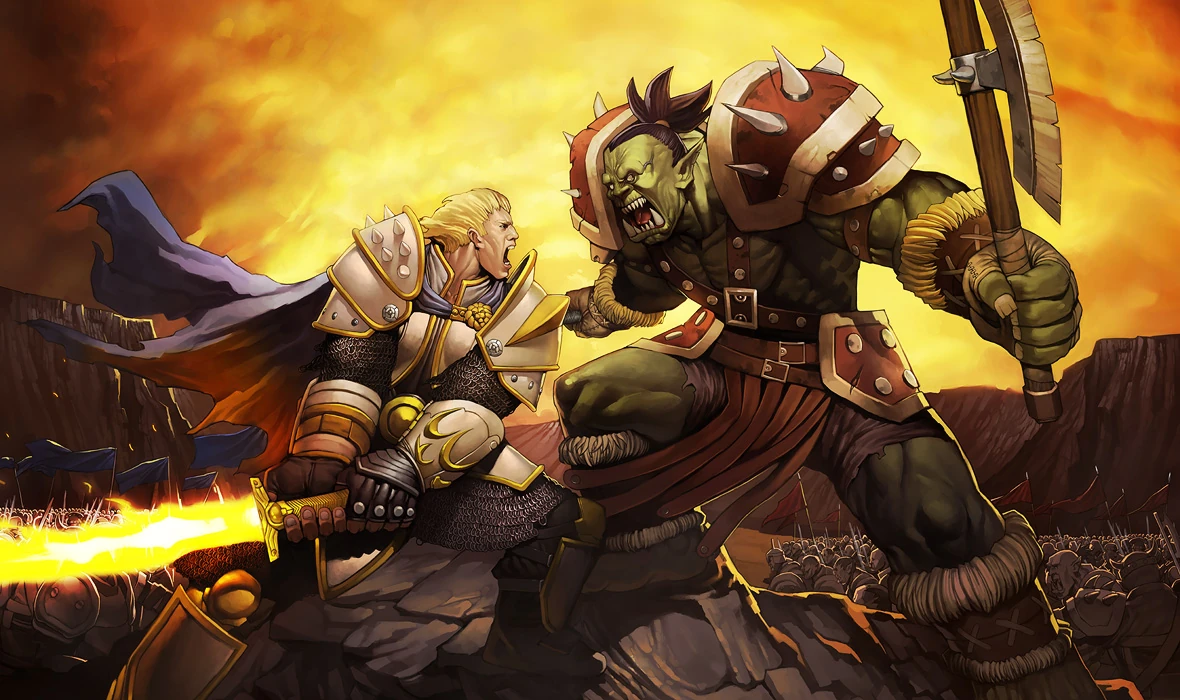
- Hearthstone
- Warcraft series
Humans' symbol in Warcraft: Orcs & Humans.
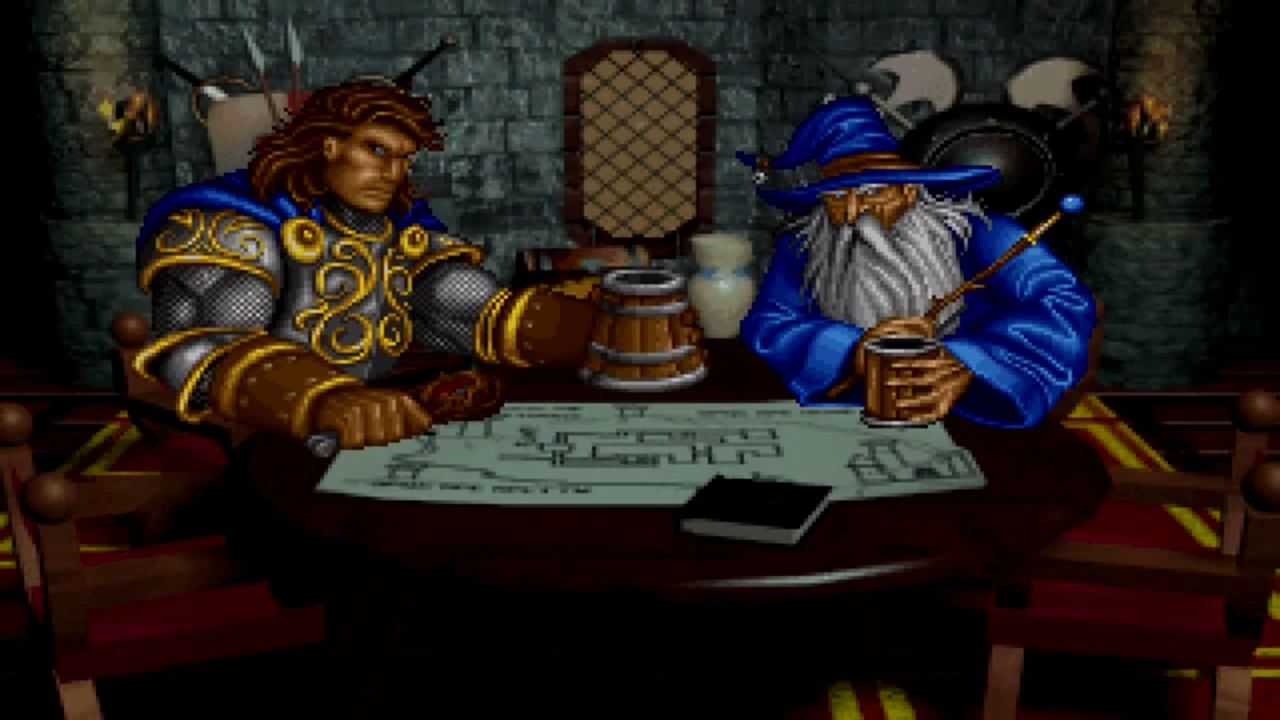
Unidentified humans during the Warcraft I briefing session.
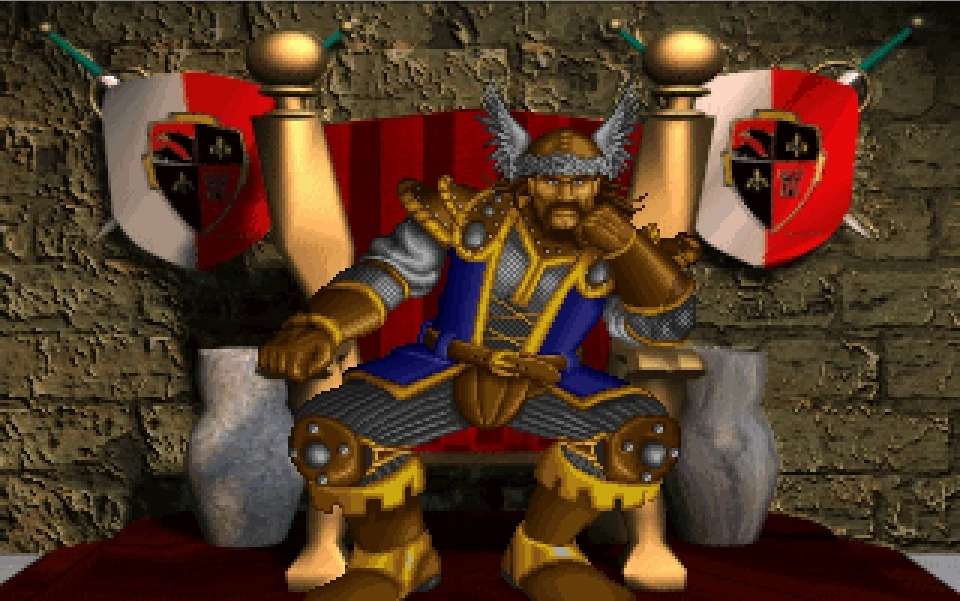
Defender of the Crown Warcraft I human victory.
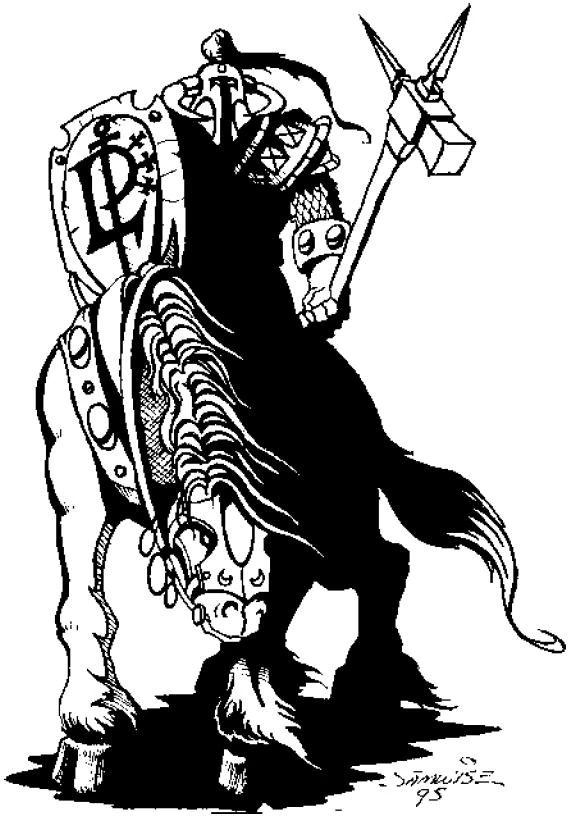
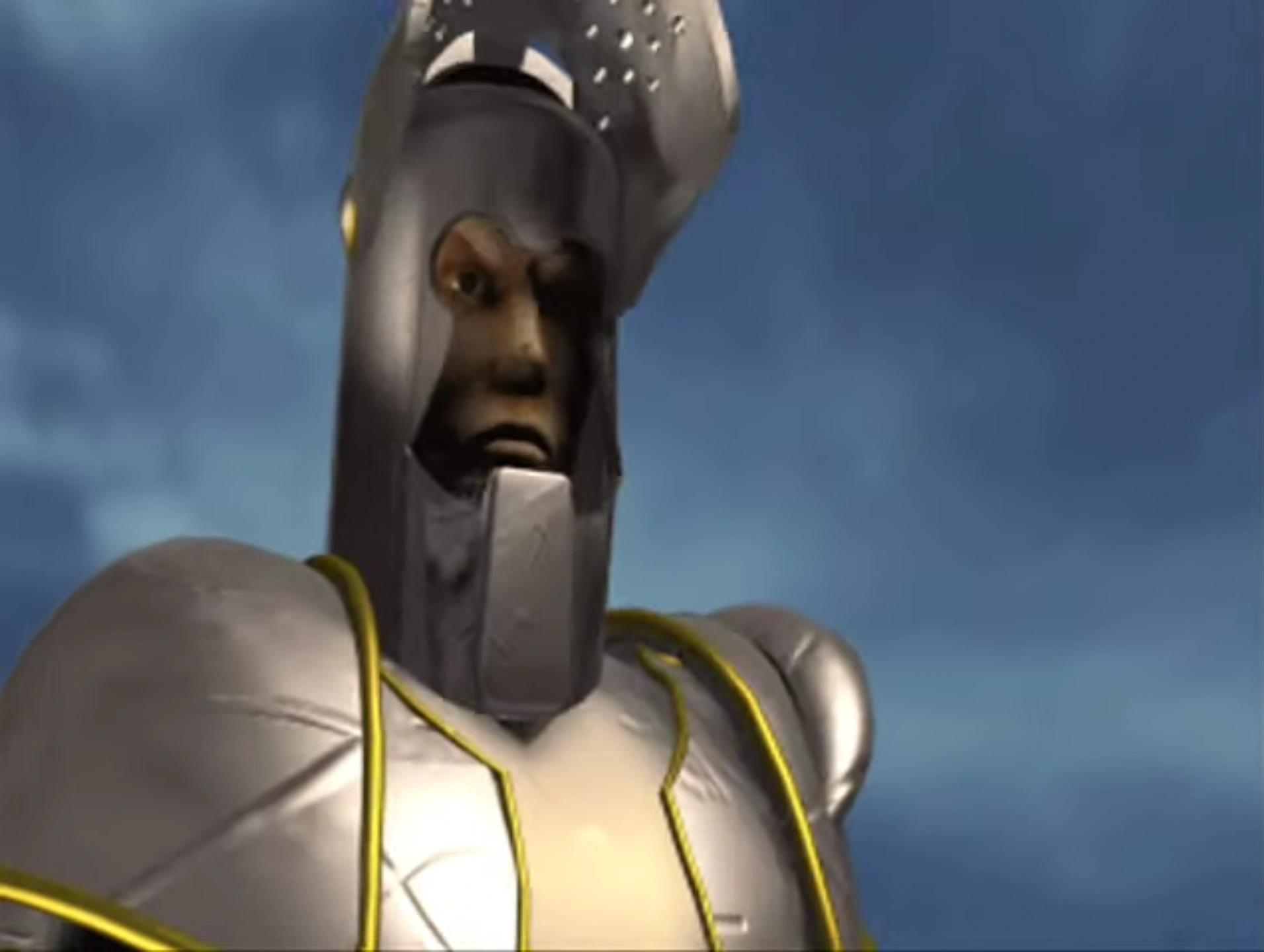
Human Knight in Warcraft II.
Human ending in Warcraft II.
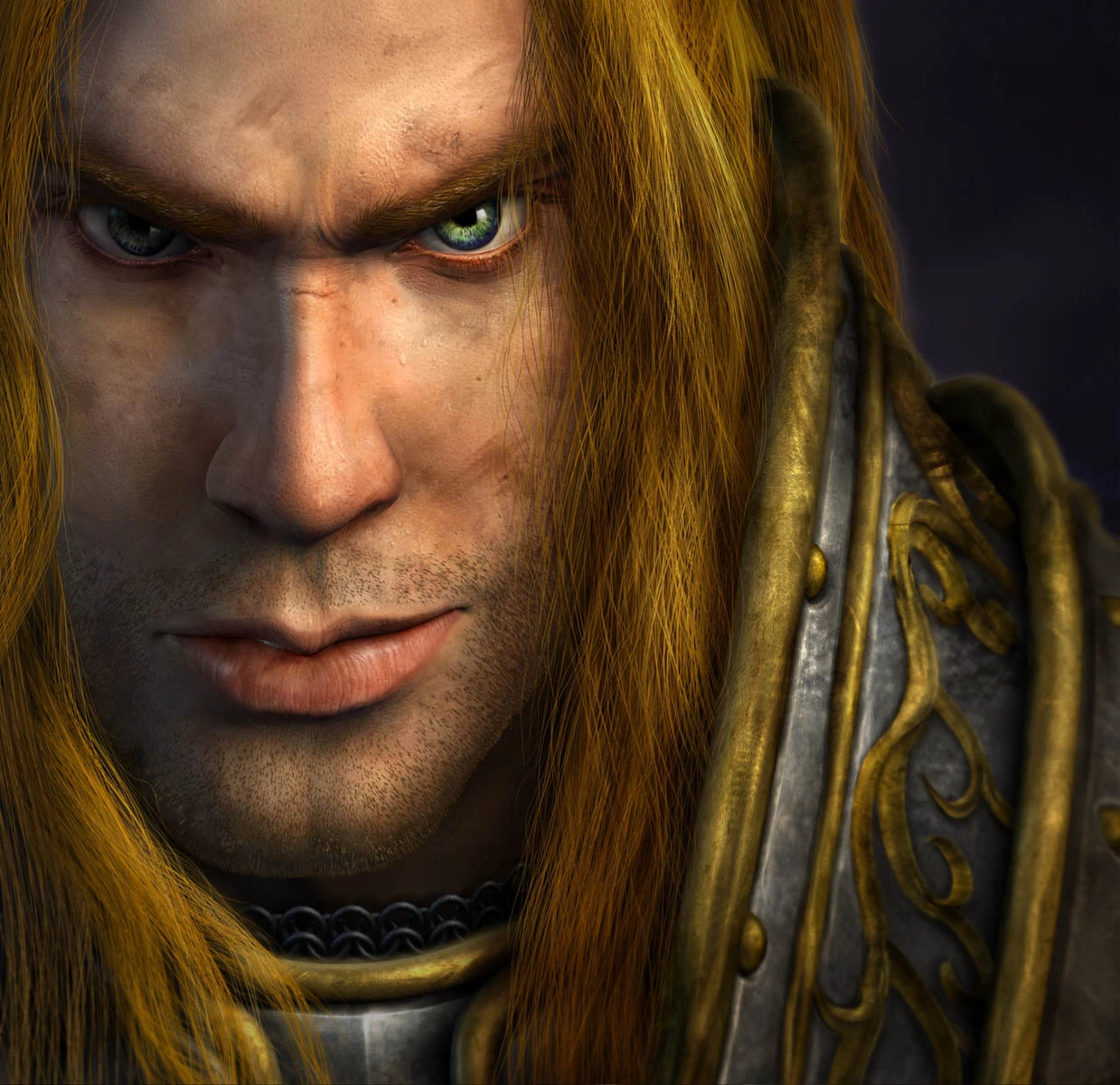
Warcraft III: Reign of Chaos box art featuring Arthas.
Scourge of Lordaeron campaign menu background in Warcraft III.
Scourge of Lordaeron Human campaign menu in Reforged.
Humans' symbol in Warcraft III: Reforged.
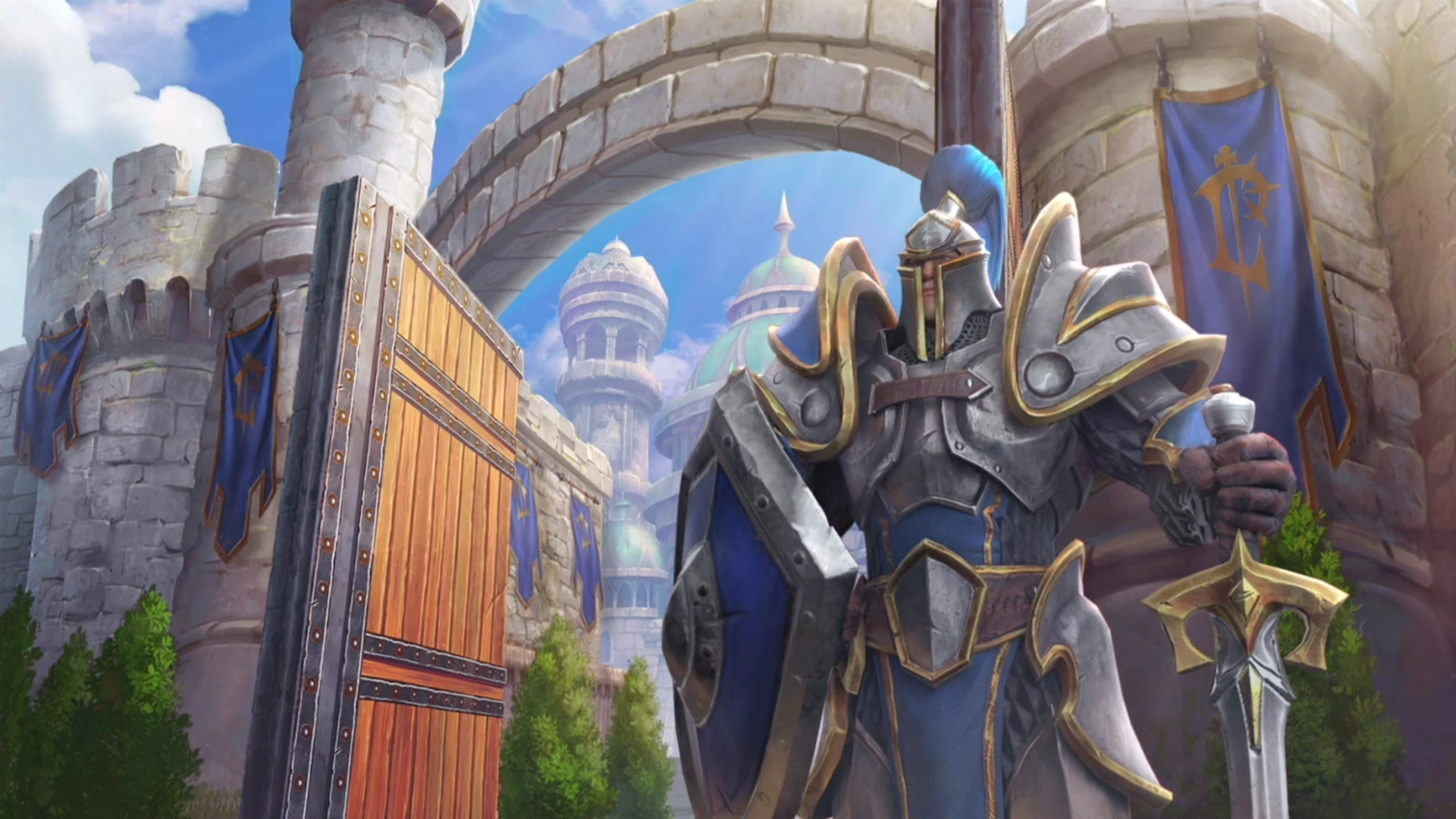
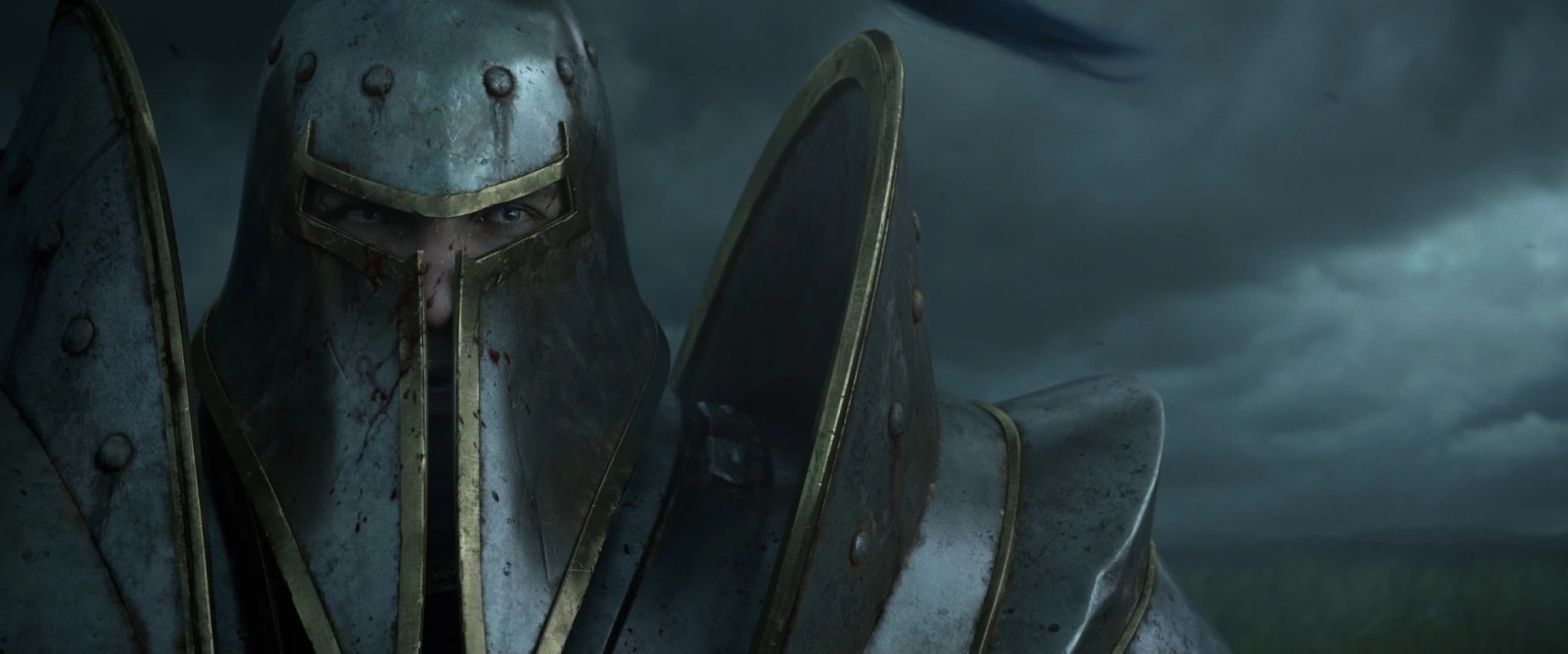
Human footman in the Reforged cinematic.
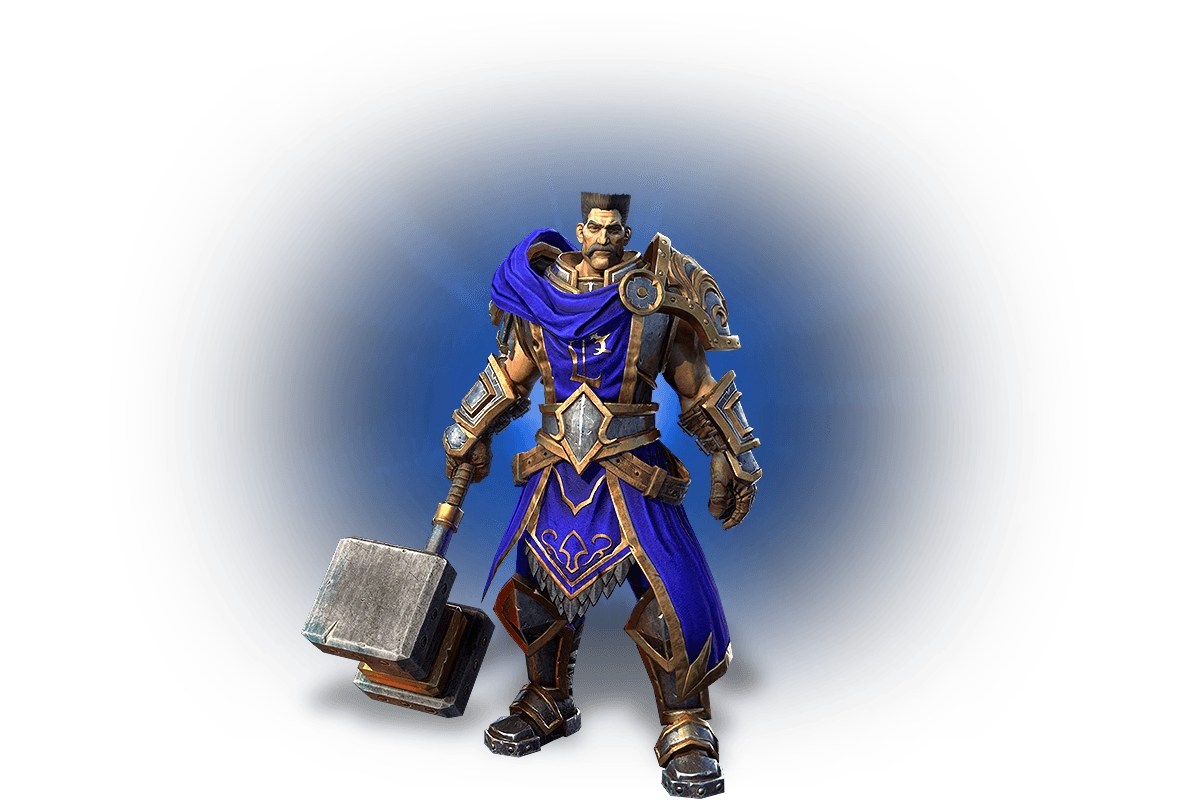
Paladin model in Reforged.
Peasant
Militia
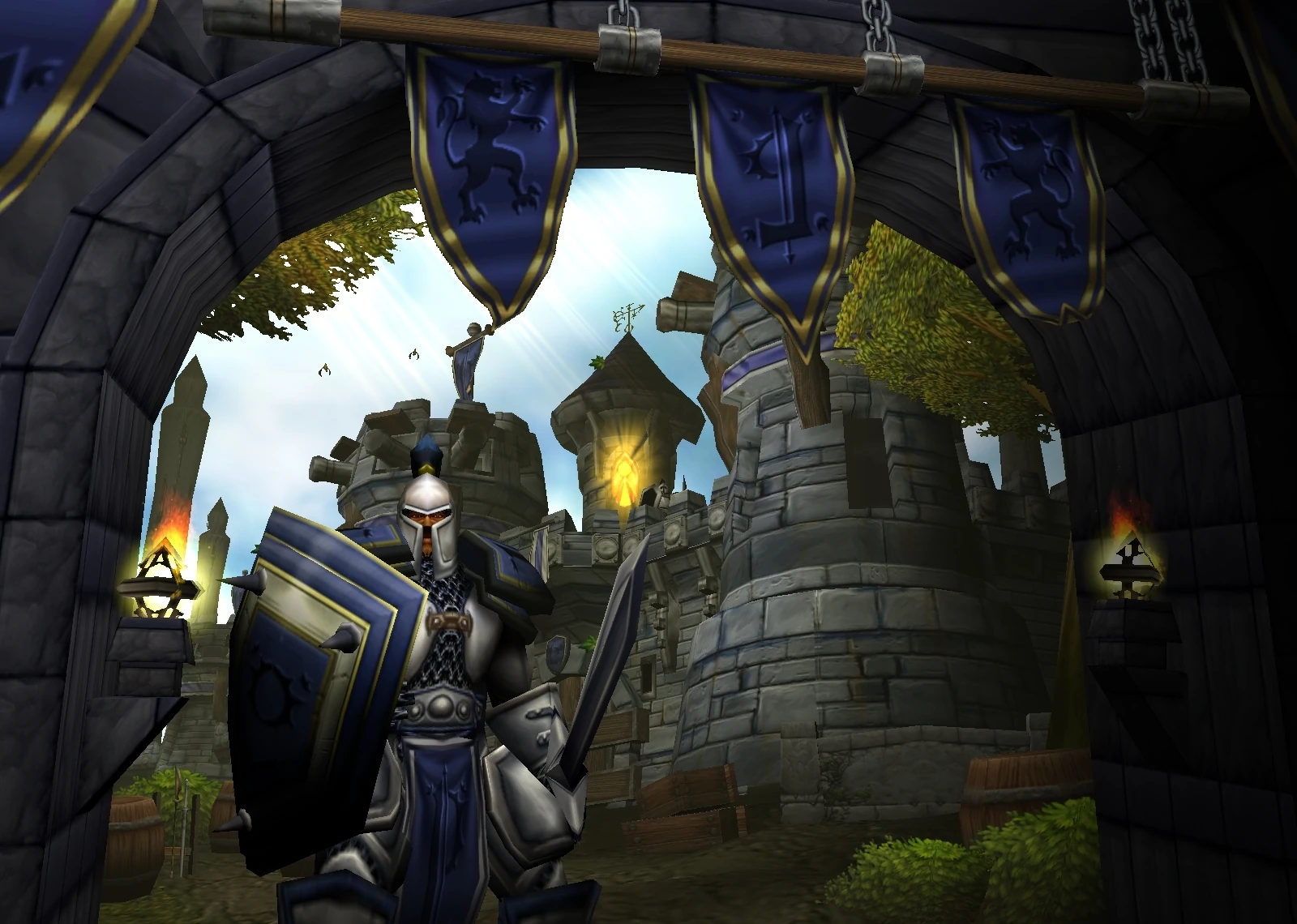

Footman
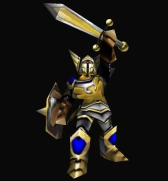
Captain

Knight
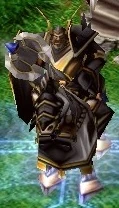
Garithos
Paladin
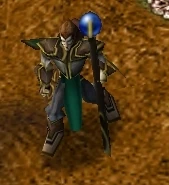
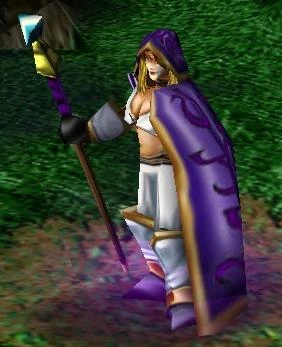
Archmage
Chaplain
Admiral Proudmoore
Jaina Proudmoore
Medivh
Bandit
Brigand


- Fan art
Seven Human Nations by Hipnosworld.
The Seven Human Kingdoms by miloscub.
See also[]
References[]
- ^ Blood of Our Fathers
- ^ a b c Races of World of Warcraft: Human
- ^ WoWWotLK interview 2 (English). Jeffrey Kaplan and J. Allen Brack talk about Death Knights, Tuskar, and Arthas in this exclusive interview. Gamespot (2008-05-09). Retrieved on 2009-06-14. “...known as the vrykul, and what this guys were, are almost like the progenitors of the human race in warcraft lore...”
- ^ [10-30] Anguish of Nifflevar
- ^ Skadi the Ruthless#Adventure Guide
- ^ [10-30] The Echo of Ymiron
- ^ Thoradin gossip text
- ^ World of Warcraft: Chronicle Volume 1, pg. 65 - 66
- ^ a b Ask CDev#Ask CDev Answers - Round 1
- ^ The Last Guardian, pg. 150
- ^ Shadows of the Horde, chapter 21
- ^ World of Warcraft: Chronicle Volume 1, pg. 126
- ^ [Arathor and the Troll Wars]
- ^ a b The Seven Kingdoms
- ^ Arthas: Rise of the Lich King, pg. 27 & 31
- ^ World of Warcraft: Chronicle Volume 2, pg. 105 - 106
- ^ The Last Guardian, chapter 12
- ^ Tides of Darkness, chapter 16
- ^ The Dark Portal and the Fall of Stormwind
- ^ The Alliance of Lordaeron
- ^ The Alliance Splinters
- ^ Blizzard Entertainment. Warcraft III: Reign of Chaos manual, 85.
- ^ Kel'Thuzad and the Forming of the Scourge
- ^ Path of the Damned
- ^ Legacy of the Damned
- ^ "Curse of the Blood Elves: Misconceptions", Warcraft III: The Frozen Throne. Blizzard Entertainment.
- ^ The Warcraft Encyclopedia/Blood Elves
- ^ "Curse of the Blood Elves: The Dungeons of Dalaran", Warcraft III: The Frozen Throne. Blizzard Entertainment.
- ^ "Curse of the Blood Elves: The Crossing", Warcraft III: The Frozen Throne. Blizzard Entertainment.
- ^ "Legacy of the Damned: Dreadlord's Fall", Warcraft III: The Frozen Throne. Blizzard Entertainment.
- ^ "Legacy of the Damned: A New Power in Lordaeron", Warcraft III: The Frozen Throne. Blizzard Entertainment.
- ^ Before the Storm
- ^ Death is Contagious
- ^ Ashes to Ashes
- ^ World of Warcraft: Game Manual
- ^ World of Warcraft: Chronicle Volume 3, pg. 112
- ^ Lost Codex BlizzCon 2017 Interview
- ^ [35] Dalaran Patrols
- ^ [10-50] Tides of War
- ^ [10-60] Make Our Case
- ^ "Quel'Thalas: The Razing of Tyr's Hand", Warcraft II: Tides of Darkness. Blizzard Entertainment.
- ^ "Quel'Thalas: The Destruction of Stratholme", Warcraft II: Tides of Darkness. Blizzard Entertainment.
- ^ The Scourge of Lordaeron (History of Warcraft)
- ^ Ultimate Visual Guide, pg. 17 & 125
- ^ "Tides of Darkness: The Siege of Dalaran", Warcraft II: Tides of Darkness. Blizzard Entertainment.
- ^ Ultimate Visual Guide, pg. 20
- ^ "The Great Sea: Assault on Kul Tiras", Warcraft II: Beyond the Dark Portal. Blizzard Entertainment.
- ^ a b Ultimate Visual Guide
- ^ Khaz Modan: The Fall of Stromgarde", Warcraft II: Tides of Darkness. Blizzard Entertainment.
- ^ Rejoined Alliance, See League of Arathor
- ^ "The Northlands: Betrayal and the Destruction of Alterac", Warcraft II: Tides of Darkness. Blizzard Entertainment.
- ^ "Prelude to New Worlds: Alterac", Warcraft II: Beyond the Dark Portal. Blizzard Entertainment. "Alterac Keep" is intact by the time of Ner'zhul's Horde invasion of Lordaeron.
- ^ Tol Barad (WC2 Human), Tol Barad (WC2 Orc)
- ^ Warcraft III: Reign of Chaos Game Manual, Undead History, Icecrown and the Frozen Throne
- ^ Old Hillsbrad Ashbringer event
- ^ [15-30] A Righteous Sermon
- ^ Ask CDev#Ask CDev Answers - Round 3
- ^ a b [11] Wharfmaster Dizzywig
- ^ a b [30] The Barrens Port: Most likely Velinde found a trading vessel in Ratchet to take her to Blackwater Cove in Azeroth.
- ^ The World of Warcraft Townhall/World Map
- ^ Original Stranglethorn Vale description
- ^ The Artistry of World of Warcraft: Stranglethorn Vale (PC)
- ^ [30] Passage to Booty Bay: Velinde. Booked passage to Booty Bay on the Black Osprey.
- ^ File:Chronicle2 Eastern Kingdoms Before the First War.jpg
- ^ World of Warcraft: Traveler, chapter 12
- ^ World of Warcraft: Traveler, pg. 355
- ^ World of Warcraft: Traveler, chapter twelve: Painful Jabs
- ^ Height#Playable races
- ^ Traveler, pg. 327
- ^ Vol'jin: Shadows of the Horde, chapter 8, pg. 60, 63
- ^ Medivh born in year -44 / 559 and reached the AoA in year 571.
- ^ Visiting Warlock#Quotes
- ^ [30] You Have Served Us Well
- ^ [30] A Noble Brew
- ^ Ultimate Visual Guide, pg. 66
- ^ Cut Short
- ^ Ask CDev #3
- ^ [White Stallion Bridle]
- ^ [30-60] The Missing Fleet
- ^ Brother Pike says: Tidemother... what have we become.
- ^ Rise of the Horde, chapter 9
- ^ Before the Storm, chapter 19
- ^ Warcraft: Legends Volume 1, The Journey
- ^ World of Warcraft Trading Card Game: Betrayal of the Guardian. Blizzard Entertainment. 133.
- ^ Before the Storm, chapter 20
- ^ The Old Wizard's Almanac
- ^ Human (playable)
- ^ Peasant (Warcraft III)
- ^ a b World of Warcraft: The Roleplaying Game, pg. 43
- ^ a b c Lands of Conflict, pg. 17
- ^ a b Lands of Conflict, pg. 17: "In the early histories of dwarves and humans, the kaldorei are shadowy figures of dark perfection wielding incredible god-like powers."
- ^ a b Lands of Conflict, pg. 22
- ^ a b Shadows & Light, pg. 84 - 85
- ^ Shadows & Light, pg. 73
- ^ a b Lands of Conflict, pg. 18
- ^ a b Lands of Conflict, pg. 19
- ^ World of Warcraft: The Roleplaying Game, pg. 174
- ^ a b c d World of Warcraft: The Roleplaying Game, pg. 44
- ^ Alliance Player's Guide, pg. 63
- ^ The Demon Soul, pg. 21
- ^ World of Warcraft: Traveler, pg. 247
- ^ Legends: A Cleansing Fire
- ^ [1-70] Pumpkin Pie, [1-70] Pumpkin Pie
- ^ [10-70 Daily] Penny's Pumpkin Pancakes
- ^ Quest for Pandaria - Part 1
- ^ Sean Copeland on Twitter: "Lore from Chris Metzen and Micky Neilson! Alteraci (“alterackee”), Lordaeronian, Stromic, Dalaranian, Stormwindian. BOOM." March 10, 2014
- ^ Loreology on Twitter (dead link)
- ^ Human and Blood Elf Shaman

 [35]
[35]  [30]
[30] 

| |||||||||||||||||||
| |||||||||||||||||
| |||||||||||||||||||||||||||||||


.jpg)


